
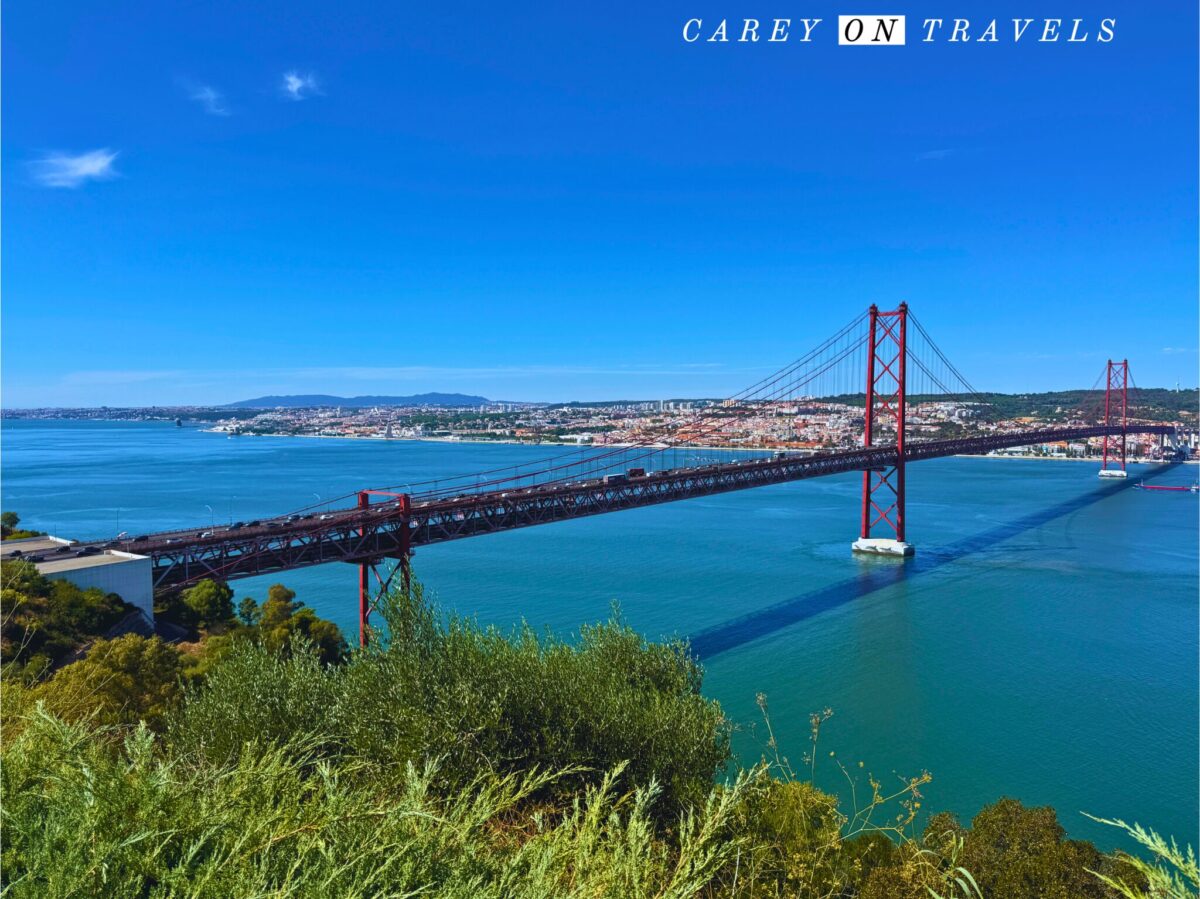
If you’re considering visiting Europe in the winter, you’re probably picturing cozy cafés, fewer crowds, and historic cities glowing softly under winter skies. And yes—those moments absolutely exist. But winter travel in Europe also comes with short days and unpredictable weather. On our recent off-season travels, we’ve experienced everything from full weeks of blue skies to stretches of rain-soaked days. Despite the challenges, winter has become one of our favorite times to visit Europe. Visiting Europe in the winter can be magical—or messy. Learn what to expect, how to plan, and which destinations are worth it in the off season.
This post may contain affiliate links. If you make a purchase through these links, we will earn a small commission at no additional cost to you. We recommend products we have personally used or verified. Read the full disclosure here.
Don’t have time to read the whole article?
Use flight comparison tools like Skyscanner and Google Flights to find the best flight deals.
Search DiscoverCars.com for the best deals on Europe Rental Cars!
Don’t forget to bring along a rain coat and a windproof compact travel umbrella!
Pin this for later!
Contents
- Who Will Actually Enjoy Visiting Europe in the Winter?
- Best Winter Destinations in Europe by Travel Style (Quick Guide)
- Pros and Cons of Visiting Europe in the Winter
- How to Plan for a Successful Trip to Europe in the Winter
- Where Winter Is Actually High Season in Europe
- Finding Great Flight Deals for your Winter Getaway in Europe
Who Will Actually Enjoy Visiting Europe in the Winter?
Winter travel isn’t for everyone—and that’s okay. But if you travel with the right mindset, it can be one of the most rewarding seasons to explore Europe.
| You’ll probably love it if you: | You might not love it if you: |
| Prefer quieter streets over peak-season crowds (Venice, Paris, Rome) | Want guaranteed sunshine every day (even “mild” places like Portugal, Spain, Greece, and Sicily can be rainy) |
| Like moody photography and winter atmosphere (Kotor, Dubrovnik, Venice) | Get frustrated when things close early or feel seasonal |
| Enjoy museums, cafés, historic hotels, long lunches, and Christmas markets (perfect for London, Berlin, Amsterdam, Munich) | Need long outdoor days for hiking or beaches |
| Want to explore places like Lisbon, Porto, Madrid, Athens, and Rome without the summer heat | Hate rain, wind, or damp cold (which can be common in the UK, northern Europe, and coastal areas) |
| Enjoy outdoor activities, but can handle plans changing due to weather (especially on islands like Cyprus, Madeira or Tenerife) |
If you’re somewhere in the middle, winter travel can still work—you just need to plan smarter and set your expectations.

Best Winter Destinations in Europe by Travel Style (Quick Guide)
| Travel Style | Best Winter Destinations | Why They Work in Winter |
|---|---|---|
| Classic cities for cultural and culinary experiences | London, Paris, Rome, Berlin, Budapest, Prague | Museums, food, indoor attractions, great transit |
| Food + history without peak crowds | Sicily, Rome, Lisbon, Porto, Athens, Kotor, Split, Dubrovnik | Slow travel, seasonal meals, easier sightseeing |
| Cozy UK charm with easy day trips | London, day trips to Oxford + Bath, the Cotswolds, and the coast (e.g, Brighton) | Easy rail travel + perfect winter vibes (indoor pubs, history, bookstores) |
| Mild weather city break | Lisbon, Funchal, Malaga, Seville, Rome, Palermo, Athens, Valletta | Fewer crowds, great food, mix of indoor and outdoor activities |
| Winter island sun (Europe-style) | Tenerife (Canary Islands), Paphos (Cyprus), Funchal (Madeira), Valletta (Malta) | Best chance of sunshine + relaxed coastal feel |
| Mild outdoor adventures | Tenerife, Madeira | Great year-round hiking (with flexible plans for rain) |
| Ski trips | Austria, Switzerland, Italy, France, Slovenia | High season for snow sports and mountain villages |
| Holiday magic (busy, festive) | Munich, Frankfurt, Alsace, Budapest, Heidelberg, Nuremberg, Vienna | Christmas markets = peak crowds but unforgettable vibes |
Pros and Cons of Visiting Europe in the Winter
Winter is the “real life” season in many European destinations—less polished, less crowded, and often more affordable. But it’s not always easy travel.
The Pros of Visiting Europe in Winter
- Fewer tourists is one of the biggest perks of visiting Europe in the winter. Popular cities (like Berlin, Paris, London, Rome, Venice, Budapest, Dubrovnik) are calmer and more enjoyable.
- Lower prices: Winter is often one of the best times to find deals on flights and hotels—especially in destinations that are summer hotspots.
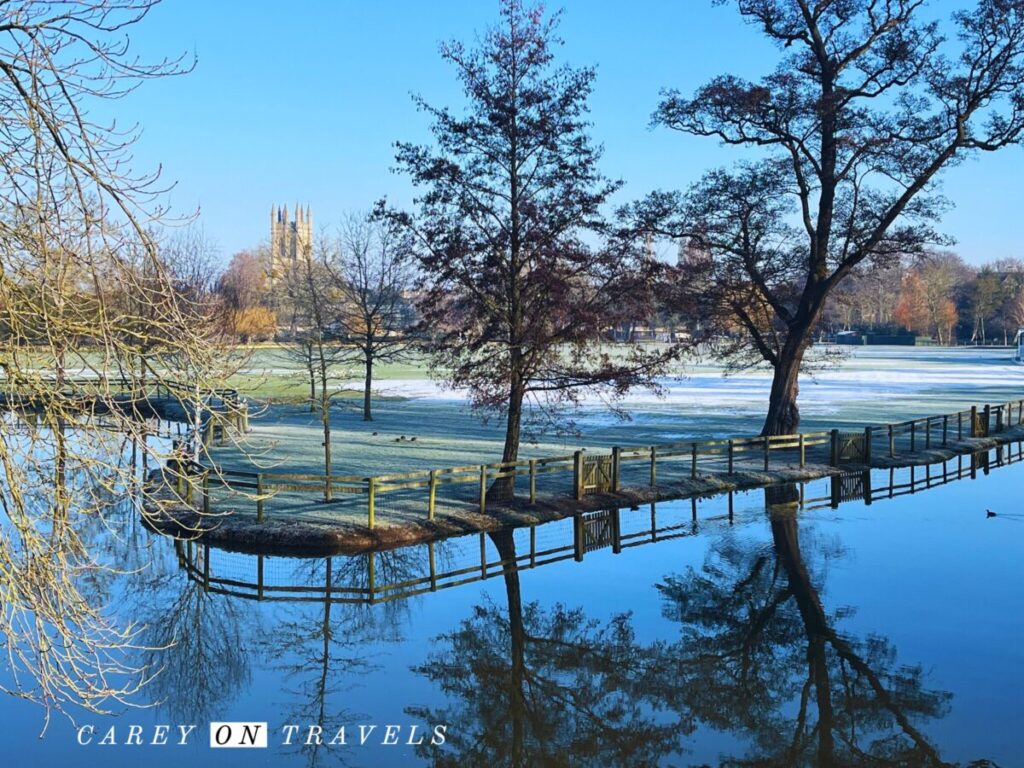
- Local Vibes: With fewer tourists, winter travel often feels more like real life. We’ve noticed this especially in smaller cities like Coimbra and Évora in Portugal, Heidelberg in Germany, Oxford in England, or quieter stretches of Croatia and Montenegro.
- Slower Travel: Winter is a great season for slow travel. It’s perfect for trips built around food, culture, thermal baths, museums, and cozy evenings. Cities like Berlin, Munich, Paris, Rome, and London shine here.
 University of Coimbra and Bell Tower in Coimbra
 University of Coimbra and Bell Tower in Coimbra
We still enjoy outdoor activities when the weather is good, but swap these for museums, bookstores, cafés, cooking or art classes, and long dinners when poor weather hits. For an outdoor focused vacation in the winter in Europe, we head south to Tenerife (Canary Islands), Madeira (Portugal), or Cyprus to have a better chance of mild yet more consistent weather.

The Cons (and the Reality Check)
- Unpredictable Weather: European winter weather can be unpredictable and wet, with gray, rainy, windy, and messy days (and snow, depending on location). Coastal destinations like Barcelona, Lisbon, Porto, the Coast of Croatia, and Venice can be especially damp. And even if it’s sunny today, days of rain can leave trails muddy and slippery.
- Short daylight hours: In northern and central Europe, sunset comes early. That means fewer hours for outdoor sightseeing, and more importance on planning your big outings earlier in the day.
Pro Tip: Plan outings around weather forecasts and daylight hours carefully. Look for typical local activities for the late afternoon or evening hours (e.g., a Fado show in Coimbra, a Flamenco show in Madrid, or just enjoying time in a cozy pub in Oxford).
- Sleepy Destinations: In smaller towns or coastal resort areas, winter can mean closed restaurants, hotels, or attractions. In many parts of Croatia, areas of Greece, and quieter corners of Sicily, many restaurants and shops close for the winter, opening again around Easter week.
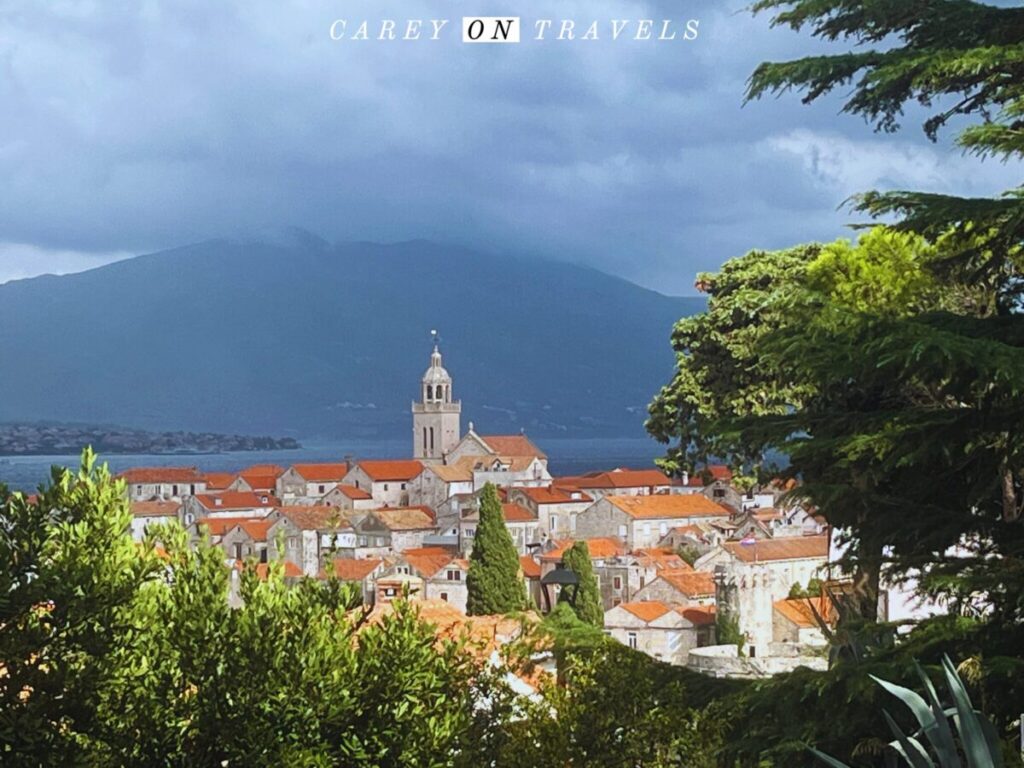
- Transportation Delays: Winter storms, wind, and heavy rain can impact flights, ferries, and even trains, making transportation delays more frequent. Not all airports are well equipped to handle unexpected snow, leading to significant delays. Ferry routes can be impacted by high winds, though typically car ferries keep running. We’ve had cat ferries cancelled on 2 of our trips to Korcula, Croatia due to wind.
How to Plan for a Successful Trip to Europe in the Winter
The biggest difference between a great winter trip and a stressful one is expectations. Winter travel is about building a trip that works with the season, not against it.
1) Plan for Flexibility (Not a Rigid Schedule)
In winter, reduce your must-visit list. Give extra time for slow mornings, earlier nights in, and unexpected rain breaks, which transform into coffee stops and museum visits. Research options ahead of time, and be sure to ask locals for their recommendations.
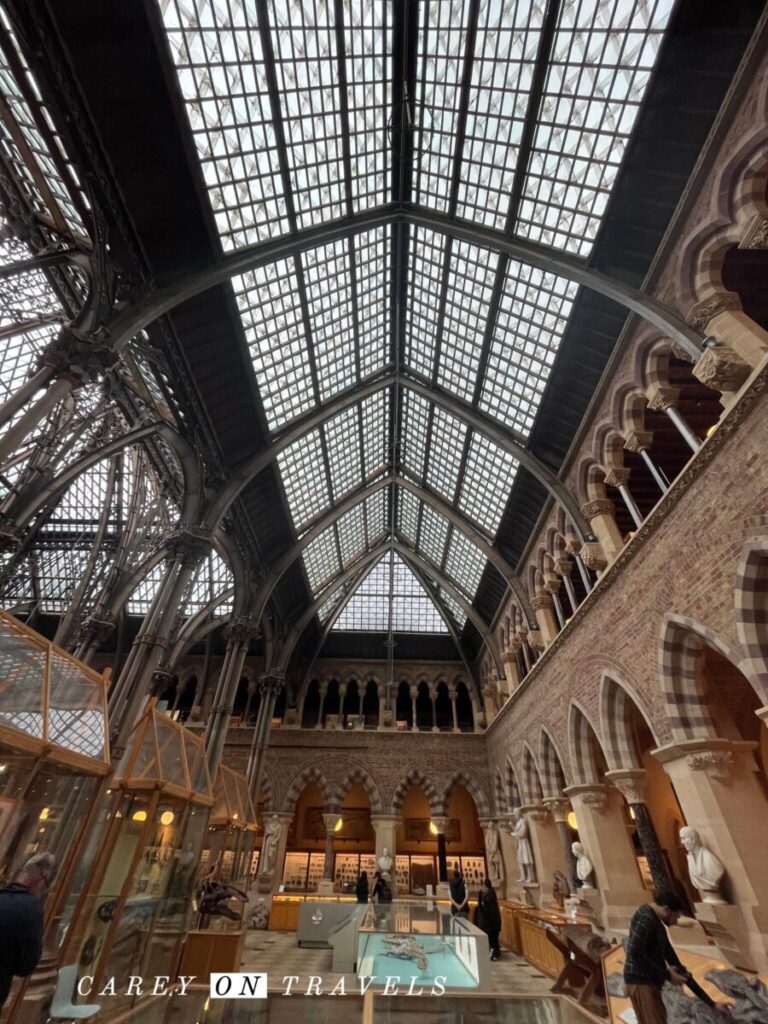
This is especially helpful in destinations where weather can change quickly, like the coast and islands. On islands like Madeira and Tenerife, it may be rainy on the north sides of the islands, while the south side enjoys sunny weather.

2) Assume the Weather Will Be Unpredictable
Even “mild” winter destinations can surprise you. If you go in expecting perfection, you’ll feel disappointed. If you go in expecting variety, you’ll feel lucky. You might get:
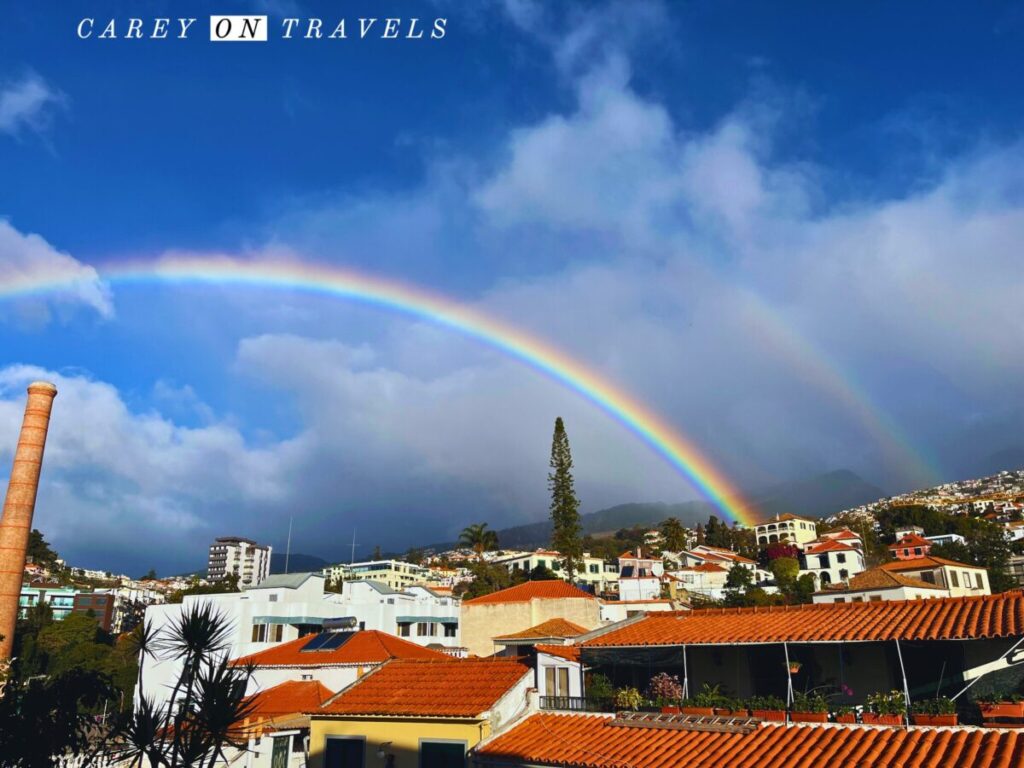
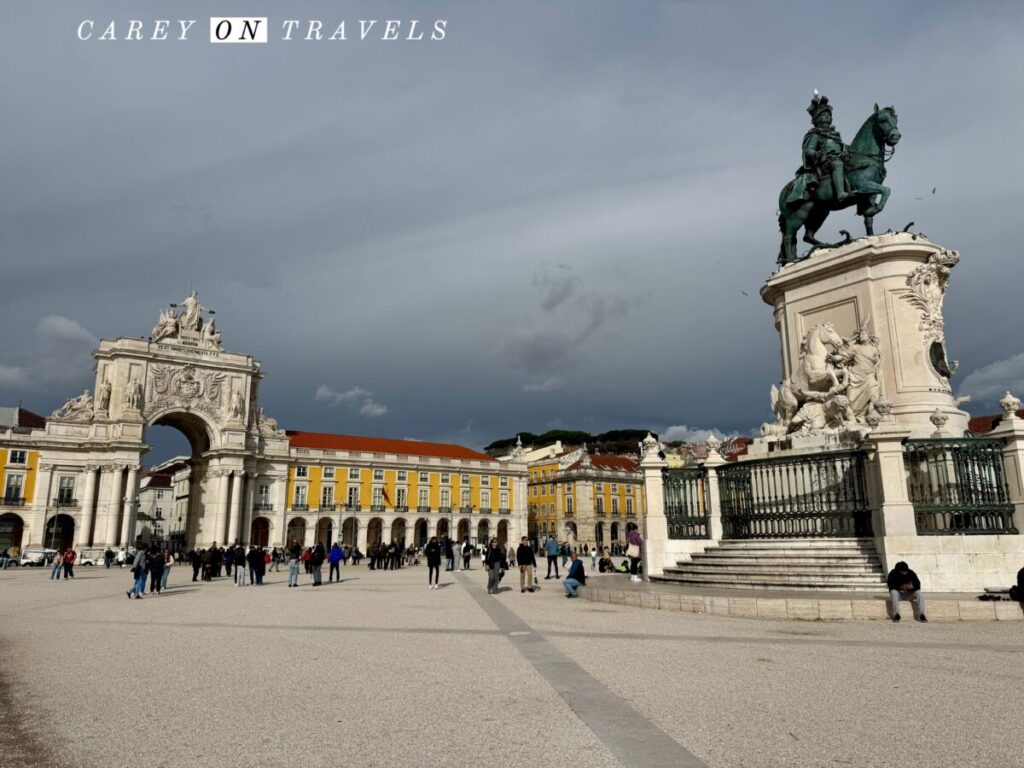
- Sunny 60°F days in Lisbon… followed by three days of rain and wind;
- Wind or rain storms along the coast in Portugal, Spain, Italy, Croatia, and Montenegro
- Foggy conditions in places like Venice that completely change the mood (and visibility)

The pictures above and below were taken a few days apart in the Lisbon area in January.
3) Choose Destinations With Great Indoor + Outdoor Options
This is the biggest winter travel hack. The best winter destinations are places where you can explore outdoors when it’s nice and pivot to museums, indoor markets, palaces and churches, or even food tours when it’s not
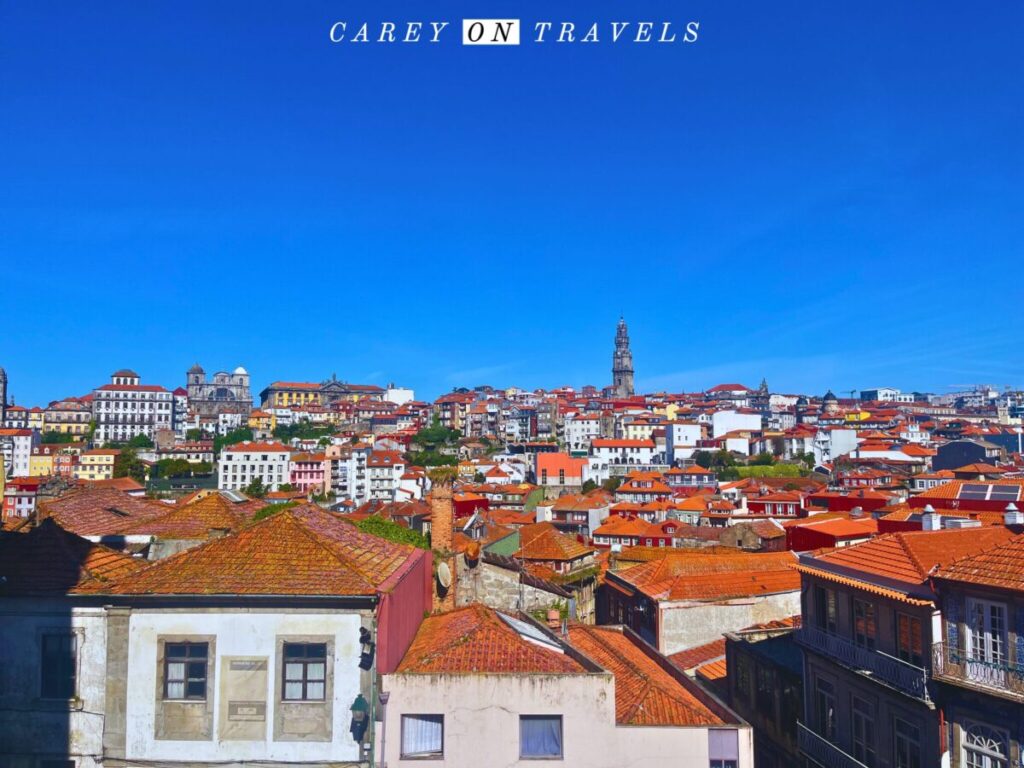
This is why cities like London, Paris, Rome, Berlin, Munich, Lisbon, and Porto are such reliable winter choices. You can find wonderful indoor activities in island locations, such as Cyprus, where halloumi making was the perfect option for a rainy day.
4) Pack Like You’re Going to Get Rained On (Because You Likely Will)
Winter packing is about staying comfortable and dry. Be sure to bring:
- A waterproof jacket with a hood (water resistant won’t keep you dry)
- Waterproof shoes or boots with traction
- Warm (wool) socks
- Dress in layers (base layer + sweater + outer layer)
- Don’t forget your compact windproof umbrella (useful in cities)
- Gloves, a scarf, and a hat
Pro tip: damp cold is often worse than dry cold. You’ll feel it in places like London, Paris, Venice, and coastal destinations and islands.
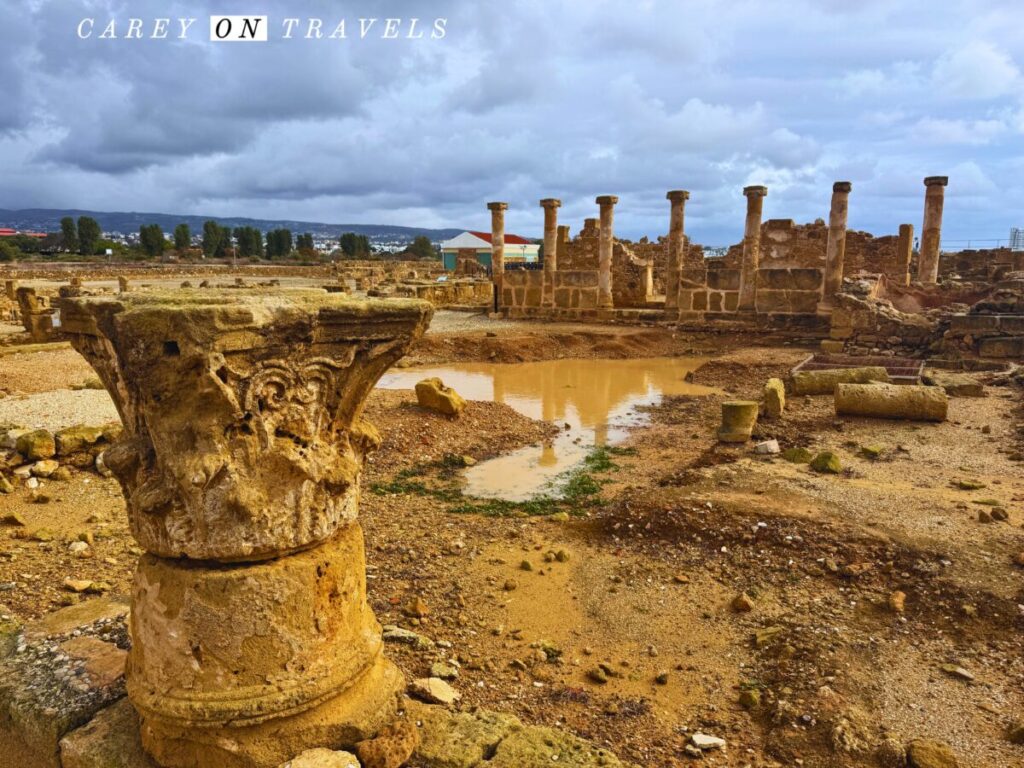
We’ve stumbled on some incredible experiences while trying to escape the rain, from excellent restaurants to unique galleries, museums, and book stores.
5) Build Your Days Around Light
In many places, winter sunsets come early. This matters most in places like London, Oxford, Paris, Berlin, Stockholm, and Munich, where you’ll notice the shorter days immediately. Plan:
- earlier outdoor sightseeing
- museums, concerts, or cozy dinners later in the day
- outdoor activities around the best daylight/weather window

6) Choose Lodging With Reliable Heating (Seriously)
This is one of the most overlooked parts of visiting Europe in the winter. In many destinations—especially humid winter climates—it can feel colder inside your lodging than outside. Some apartments and older buildings are not well insulated, and you can’t always assume heating will be strong or consistent.
This matters even in places where winter temperatures are considered “mild,” including Sicily and parts of Portugal, where indoor spaces can still feel damp and chilly. Keep in mind that you may be spending more time indoors than on a typical summer day.
How to Find Lodging with Reliable Heating:
- Read reviews carefully (you can search reviews on booking.com for words like heat, cold, damp, no heat, heating, space heater)
- Prioritize properties that clearly list heating (not just A/C)
- Consider hotels/guesthouses over older rentals if you’re sensitive to cold indoors (even here, check reviews for heating)

Where Winter Is Actually High Season in Europe
While much of Europe is quieter in winter, some places are absolutely not off-season. Thee include, among others:
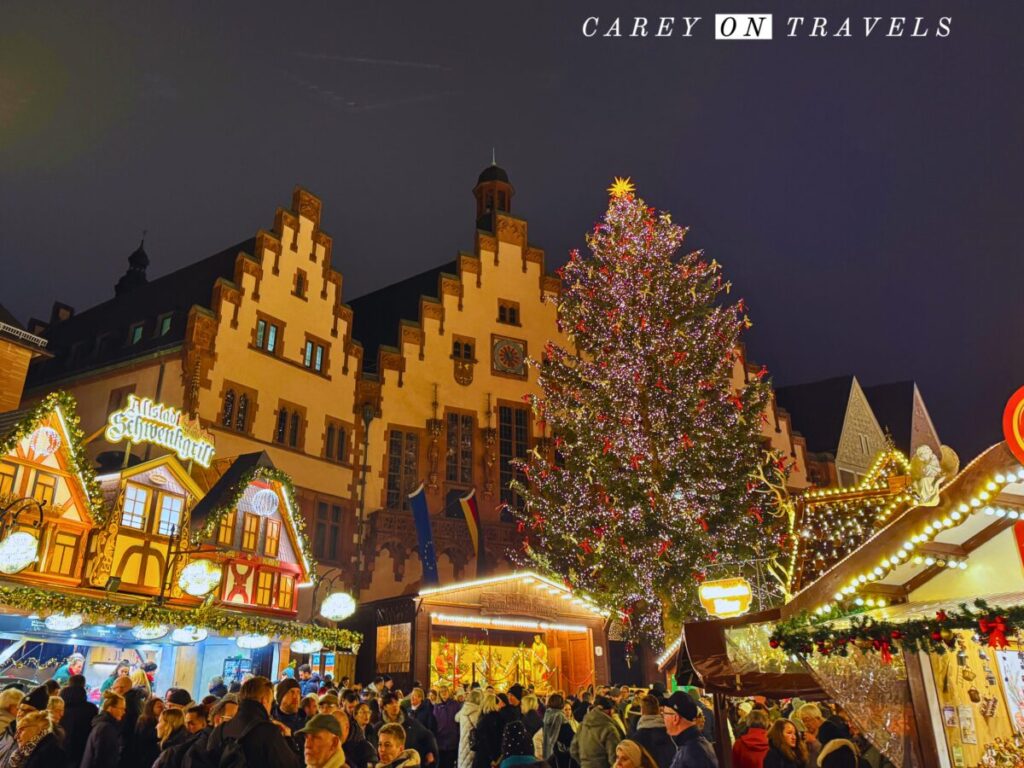
| Christmas Market High Season | Late November through December, expect crowds (and higher prices) in: Munich, Frankfurt, Heidelberg, Nuremburg, Alsace (France), Vienna, Budapest, London, Paris (and more) |
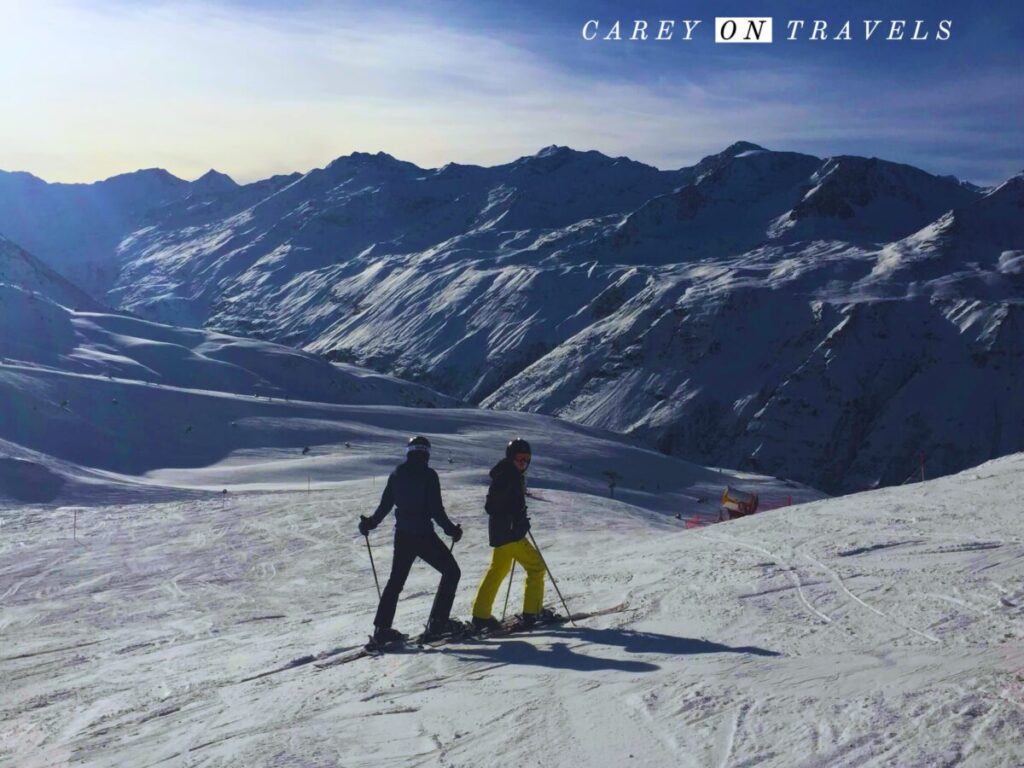
| Ski Season High Season | Winter is peak season in mountain destinations like: Switzerland, Austria, France, Italy, and Slovenia |
Finding Great Flight Deals for your Winter Getaway in Europe
Finding great flight deals requires some strategy and flexibility.
- Start searching for flights early.
- Use flight comparison tools like Skyscanner and Google Flights, setting up price alerts.
- Be flexible with your airports, including nearby airports in your search.
- Be flexible with your travel dates. Check mid-week pricing vs weekends. If traveling on a holiday, look at flights on the holiday itself, avoiding peak travel days.
- Additionally, sign up for airline newsletters and follow airlines on social media to access flash sales or exclusive discounts that are not widely advertised.
Final Thoughts: Is Visiting Europe in the Winter Worth It?
Yes—visiting Europe in the winter can be absolutely worth it, as long as you travel for the right reasons.
If you are looking for fewer crowds, lower prices, a slower pace, culture, and atmosphere, yet are willing to embrace flexibility, winter travel may be for you. If you plan smart, pack properly, and choose destinations that work well in unpredictable weather, Europe in winter can be deeply memorable.
And if it rains? You’ll still be in Europe. Find a warm café or restaurant and let winter slow you down to enjoy your travel experience.

You May Also Enjoy
- Our Europe Content
- Best Place to Visit in November in Europe
- Best Destinations in Portugal in Winter
- Top Things to Do in Porto in Winter
- Top Things to Do in the Algarve in Winter
- Winter in Madeira, a 4-Day Itinerary
- Lisbon in Winter
- Off Season in Rome
- The Charms of the Off Season in Venice
Pin this for later!
Travel Resources
We recommend booking through our preferred travel booking sites below.
| Air Travel | SkyScanner |
| Lodging | Booking.com, VRBO.com, Expedia.com, Hostelworld |
| Tours and Activities | Viator.com, GetYourGuide.com, TakeWalks.com, Tinggly.com |
| Car rentals | Discovercars.com |
| Travel insurance | Squaremouth |
| Bike and scooter rentals | BikeBookings.com |
| Train tickets | RailEurope |
| Bus tickets | Busbud |




My preference for travel to Europe is definitely spring, summer or fall, but if I had the chance to see Christmas markets in winter, that would be a definite perk.
The winter weather isn’t for everyone, but the Christmas markets can make that worthwhile.
I generally prefer traveling in the winter time because the are less crowds and it’s easier to see and discover more.
Thank you for the feedback!
Although my favourite time to travel is in spring and fall, I have been to several European cities in winter and the crowds are definitely much easier to deal with.
Spring and fall are wonderful times to spend in Europe, especially when you can visit a bit less crowded areas.
I much prefer traveling off season, even winter. I’m not one for hot weather, so winter travel is a lot more comfortable for me, even with the rain, and it’s a better time of year to get time off work. I do love the Christmas markets but also happy to travel anywhere else off season too. Great tip about checking for closures as some attractions have shorter hours or are closed for the winter season.
In cities there tend to be fewer closures, but we’ve run into quite a few reduced hours on islands in particular.
I like how you grouped what destinations people would like based on how they travel. I’m definitely a mild outdoor or ski trip type of winter traveler!
These are both wonderful ways to enjoy Europe in winter!
Given that we live in Michigan and experience winter 6 out of 12 months of the year, we usually travel to warmer locations, but I’ve heard that Europe’s winters are mild compared to ours, so maybe for Christmas one year we’ll check out Europe.
The warmest spot around Christmas time that we’ve found is Tenerife in the Canary Islands.
I went to both Rome and Florence in February and yeah, the weather wasn’t ideal, but it was so nice not to have to deal with the crowds that it was 100% worth it. I’ve actually never been to Europe in the peak summer season and I don’t plan on it LOL.
Glad to hear you enjoyed Europe in winter too!
I’m not really a cold weather travellers. That said, for a variety of reasons I did recently find myself visiting Europe in the early winter, and these are spot on. I think southern Europe is not so bad cold-wise (she says after she has come home to the equator and forgotten the Arctic front…), it’s really just the shorter days that I mind.
Thank you for the feedback!
Winter in Europe is so different depending on where you are – that’s right! As someone living in Germany I love going skiing in the Austian Alps but also appreciate some days in warmer regions like Malta 🙂
Those warm weather escapes in winter are a wonderful balance to the chilly winter days.
I love winter in Europe, it is so different to summer in Europe. Winter there are less crowds, you can walk around, sit in cafes and eat warming food and complain how cold it is outside!
Glad to hear that you enjoy European winters too!
Winter is my favorite time to visit Europe! Don’t have to deal with so many tourists (lol, like I’m not one of them) and you don’t need so many reservations, and you don’t have to deal with long lines. Yes, the weather might be an issue, but usually more temperate than northeastern US
We’re on the same page here. Avoiding lines and being able to enjoy activities without advanced reservations makes a huge difference.
A good view of winter in Europe. The colder weather is generally bearable for us as Canadians. And we do love the quieter spots. But good to plan some indoor things to see and do when the weather gets to be too much. Some great tips on how to get the most out of winter travel.
Thank you! That’s a very good point about where you are traveling from. Those coming from warm climates may not adapt as easily to the European winter weather.
I totally agree. pack like you will get rained on, bc you will. I had a rainy day in Florence Italy in December. temperatures were in the upper 50s but the constant drizzle could make you chilly. luckily I had layers to keep warm and a jacket with a hood to keep the rain off. my feet did get wet though. I should have packed other shoes.
Hope you were able to enjoy Florence despite the rain. Good footwear makes a huge difference, especially when there are puddles.
I haven’t risked visiting Europe in winter except a 7 day Amalfi Coast tour. Since it snowed, we had our palace tour cancelled. I think it is worth the risk to vacation in winter as airfares plummet.
Your money does tend to go a lot further in winter, at least in terms of airfare and hotels.
Thanks for the inspiration! As an Australian I am not very good with cold weather, and generally avoid going to places that are too cold. But you have made a good case for making me reconsider! I like all the different options you’ve given.
The further south you go, like the islands (Madeira, Canary Islands), the better chance you have of warmer weather in winter.
Great article. I have become a big fan of Europe in the winter. Slower pace and lots of space. We spent the month of February in Sicily and would do that again in a heartbeat.
It’s become one of our favorite times to visit too!
Oh I really hate the cold! But this has given me some good ideas on how to visit in winter.
Thanks for the feedback!
Great tips for Europe in Winter time. As someone living in the Netherlands, the rain and the dampness are indeed a thing to take into consideration. The rain cold (as we call it) is a thing and can make you chilly to the bone (and sick if you don’t watch out). So is indeed that in Winter time it can be dark at 5pm, and attractions and stores close accordingly.
Thank you for confirming. Coming from a very dry climate, the rain cold is always quite noticeable for us, though as long as we prepare for it, we still enjoy it.
This is such a clear and honest take on winter travel in Europe. I really like how you break it down by travel style—places like Oxford and Heidelberg really do shine in winter when the crowds are gone. Your point about short daylight hours is spot on; that’s something people often underestimate when planning cities like Paris or Berlin in winter. I also appreciate the realistic notes about rain and damp cold in places like Lisbon and coastal Croatia, even when the weather looks mild on paper. The contrast between cozy winter cities and sunnier options like Madeira or Tenerife makes this guide genuinely useful for planning, not just dreaming.
Thank you for the feedback. I feel it’s important that people only travel in the off season if they are aware of the weather they may encounter and services that may be available
A helpful guide to the different locations, especially the reminder about choosing warm, dry accommodation — something that really matters in winter. I’d love to experience the highlights of Europe’s Christmas market destinations, and a winter in Sicily is definitely on the cards.
If visiting Sicily in winter, you’ll definitely want to check for good heating in your accommodations.
That’s solid advice on how to travel in winter, especially finding accommodation with heating and keeping daylight in mind.
Thank you for the feedback
Hello! Oh, I totally agree with you about visiting Europe in winter. I especially enjoy going to Southern countries, like Spain, Italy, Greece or Malta. My recent trip to Barcelona in January has just been perfect!
Thanks for the feedback! It’s a wonderful time of year to explore the southern Europe, as long as you go in with your eyes open about the weather.
Oh, in my opinion, the weather is pretty much comfortable in Europe during a winter time. Of course, it varies from country to country, but even Northern areas have their own charm this time of the year!
If you come well prepared, they can be very charming!
Great post! I just published a similar post about cycling in Montenegro in off-season in winter and the pros and cons. Your post was so thoughtful and informative! Some really great points!
Thank you for the feedback. I look forward to checking out your post.
We did Paris, Salzburg and Munich in the winter. It was so special and I’d love to go back in the winter time again! The only thing was we had a lot of cold rain in Paris!
It’s one of our favorite times of year in Europe, though as you mention, there is definitely a higher chance of rain.
We went to London and Scotland in early March last year. It was a great time to visit. Less crowds. I would love to explore other parts of Europe in the winter.
Glad you’ve enjoyed winter visits to the UK. We’ve gotten quite lucky the last few years for our visits to London, Oxford, and even down in Brighton in winter, with sunny though chilly weather.
Based on my travel style and interests, it seems like winter would be a great time for me to visit Europe! Also, great tip about making sure there’s reliable heating inside the lodging, I wouldn’t have thought about that. When I was in New Haven, Connecticut this weekend, I went to a coffee shop in an old brick building and it was seriously so cold inside because of the below freezing temperatures outside. It was so cold that the worker was wearing a hat and gloves inside!
Hope it warms up in New England for you. Heating (or the lack thereof) can be a big issue in southern Europe, so always good to check carefully.
Brrrr, we are going through a cold snap here and roads and footpaths have been out of control… icy, unpredictable… definitely be prepared for unexpected weather and less than favourable conditions, at least in Germany. I fled to Italy for a few days (but there is rain and flooding in Southern Italy)
The weather is always unpredictable in winter, but this winter seems to have more severe weather. It snowed in Madrid last week, and we also had more rain in Portugal and Cyprus in recent months than I’ve seen before.
I’m from Europe and this is a great overview of what travel in Winter feels like. Great tips for the different regions, definitely helps people to know what to expect!
Thank you for the feedback. We love traveling around in winter, but I do want visitors to know what to expect and how to prepare for it, if they choose to go.
Great tips! I have a hard time traveling in the winter because I want to spend all my time outside and with the weather that’s usually hard.
That makes sense. I’m ok with mixing outdoor days with indoor ones, as long as I’m in a place that is well setup for doing both.