

Évora makes one of Portugal’s best slow travel bases. Within an hour or so of town, you can explore Roman ruins, prehistoric stone circles, medieval hilltop villages, artisan workshops, UNESCO heritage traditions, and some of Portugal’s most underrated food and wine. This itinerary is designed for travelers who prefer fewer hotel changes and deeper exploration. Stay all six nights in Évora and take relaxed day trips through the surrounding Alentejo countryside as you enjoy this Évora Slow Travel Itinerary.
We’ve explored the Évora area at different times by car, public transport, and bike. Public transport is available, with a few exceptions. We’ve provided alternative options for those activities for those traveling without a car.
This post may contain affiliate links. If you make a purchase through these links, we will earn a small commission at no additional cost to you. We recommend products we have personally used or verified. Read the full disclosure here.
Don’t have time to read the whole article?
Here is the best Évora day tour!
Find the top Évora area hotels!
Reserve your rental car!
Pin this for later!
Évora Slow Travel Itinerary Summary
All travel logistics are based on staying in the historic center. If you choose to stay outside of the center with a car, there is easy and free parking near the aqueduct in Évora (be sure to check parking signs carefully). It’s a quick walk to the center from here.
| Day | Travel Logistics |
|---|---|
| Day 1 Évora historic center | All sites can be reached on foot |
| Day 2 Almendres Megaliths + optional Alcáçovas cowbells | Best reached by car or tour. We recommend a tour to make the most of this experience. |
| Day 3 Estremoz + UNESCO Bonecos | 30 minute bus ride each way |
| Day 4 Redondo pottery + São Pedro do Corval + Monsaraz | Best reached by car or tour. By bus: Évora to Redondo is just a 35 minute bus ride. Connecting to São Pedro do Corval + Monsaraz is possible but requires long connecting times. |
| Day 5 Elvas fortifications + aqueduct | 1 hr 15 bus ride each way |
| Day 6 Vila Viçosa + Borba, marbles and wine | 45 minute bus ride each way to Vila Viçosa, 5 minute bus ride from there to Borba |
This itinerary can easily be shortened by simply removing 1 or more day trips. Pick and choose from those that appeal most to you.
Day 1 — Discover Évora Proper on Foot
Start slowly. Évora deserves more than a quick stop.
Morning: Explore UNESCO-listed Évora
The historic center of Évora became a UNESCO World Heritage Site for its remarkably preserved layers of Roman, medieval, and Renaissance history.
Suggested stops:
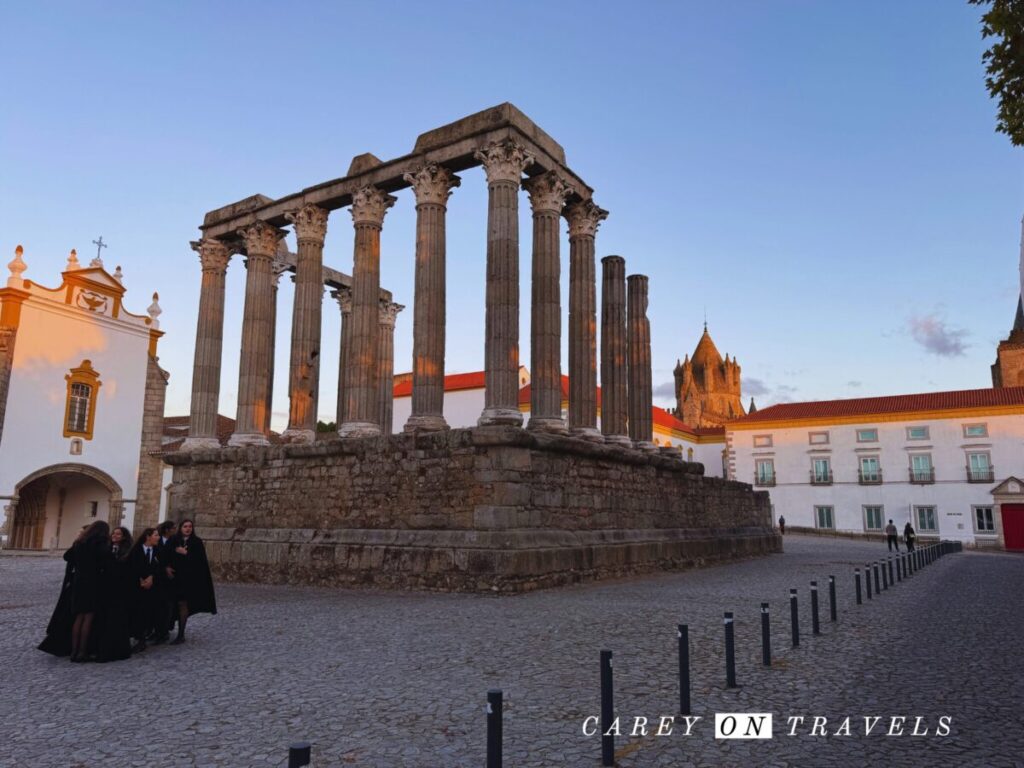
- Roman Temple of Évora (Temple of Diana)
- Jardim Diana
- Largo Conde Vila Flor viewpoints
- Évora Cathedral (it’s worth the climb up to the roof if open if you don’t mind narrow spiral stairs)
- Wander narrow, medieval lanes
- Praça do Giraldo
- Igreja de São Francisco
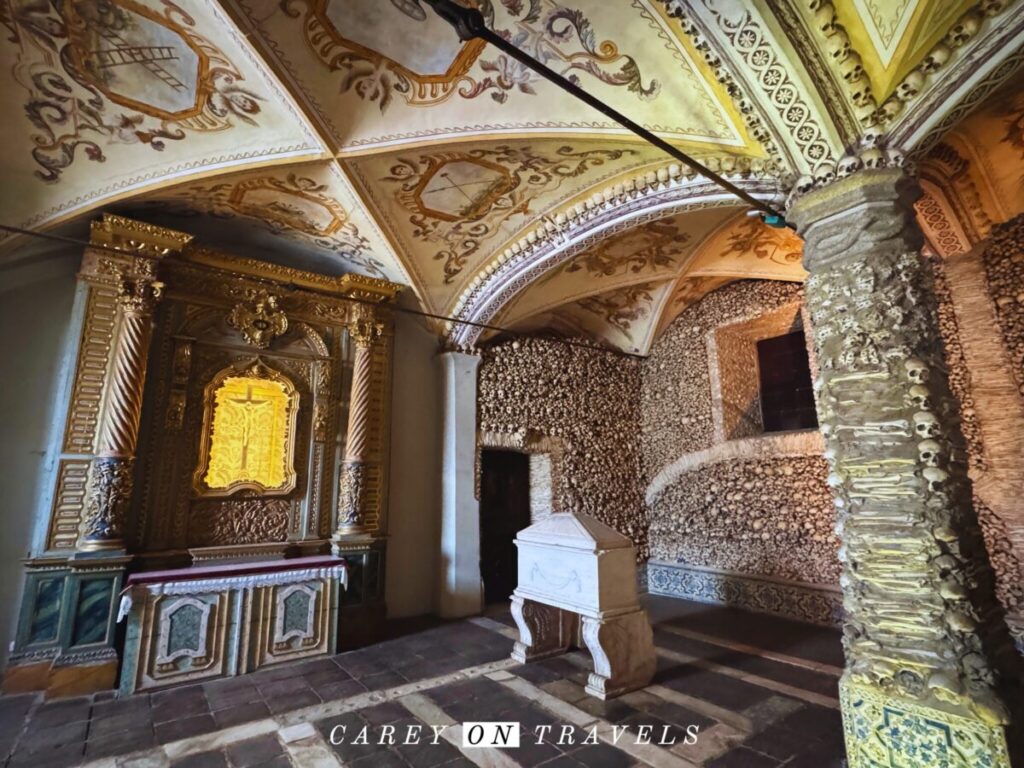
- Chapel of Bones
Take your time winding through historic streets, enjoying coffee and shops along the way.
Download our GPSmyCity article on what to see in Évora before you go. You can find this at Walking Tours and Articles in Evora.
Lunch
Choose a traditional Alentejo lunch. Soups and stews are very common in this region.
- Açorda Alentejana (bread soup)
- Ensopado de Borrego (lamb stew)
- Carne de Porco à Alentejana (Pork with clams)
- Sopa de Tomate (tomato soup often thickened with bread)
Afternoon: University, Museums, and Gardens
Spend the afternoon wandering town based on your interests. Areas we recommend:
- University of Évora courtyards (the original university dates back to the 16th century)
- Public Garden of Évora (this is a wonderful spot to relax and enjoy a coffee or ice cream, or a picnic lunch)
- Casa do Montado (cork museum)
- National Museum Frei Manuel do Cenáculo (Roman artifacts to 18th century art)
- Carriage Collection (18th-19th century carriages, harnesses, saddles)
- Browse local ceramics and artisan shops (olive oil, cork products make wonderful souvenirs)
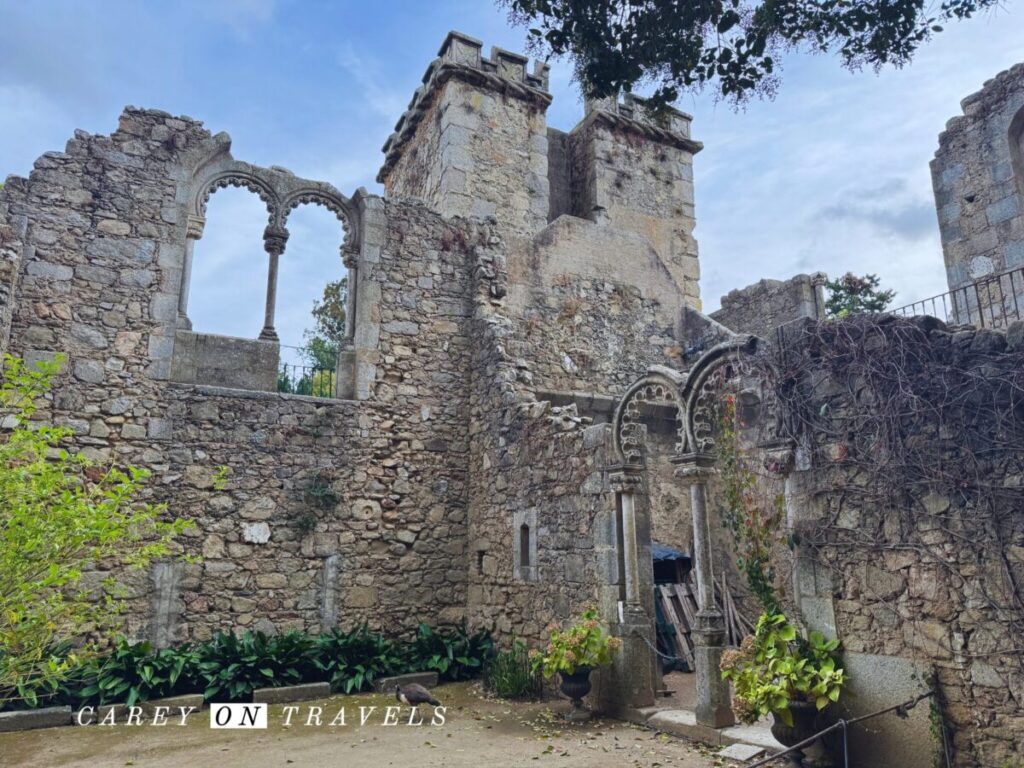
- Convent of Santa Clara in Évora, just a short walk from town
Tip: Students at the university often wear black gowns, similar to those in Coimbra (and reminiscent of those in Oxford, UK).
Sunset in Évora
Our favorite spot in the city for sunset is the Jardim Diana. Another very popular spot is up on the city walls near the aqueduct.

Day 2 — Megalithic Évora + Optional Cowbell Heritage in Alcáçovas
Today combines prehistoric landscapes with an optional outing to experience one of Portugal’s most unusual UNESCO traditions.
Morning: Almendres Megalithic Circuit
We highly recommend taking a guided tour to learn the most about the megalithic sites this morning. The dirt roads leading to the sites can be quite bumpy depending on recent rains. And, there is little to no information displayed at the sites.
If you decide to visit independently, be sure to stop at the interpretive center that you pass on your way to the Cromeleque dos Almendres.
Stops to plan:
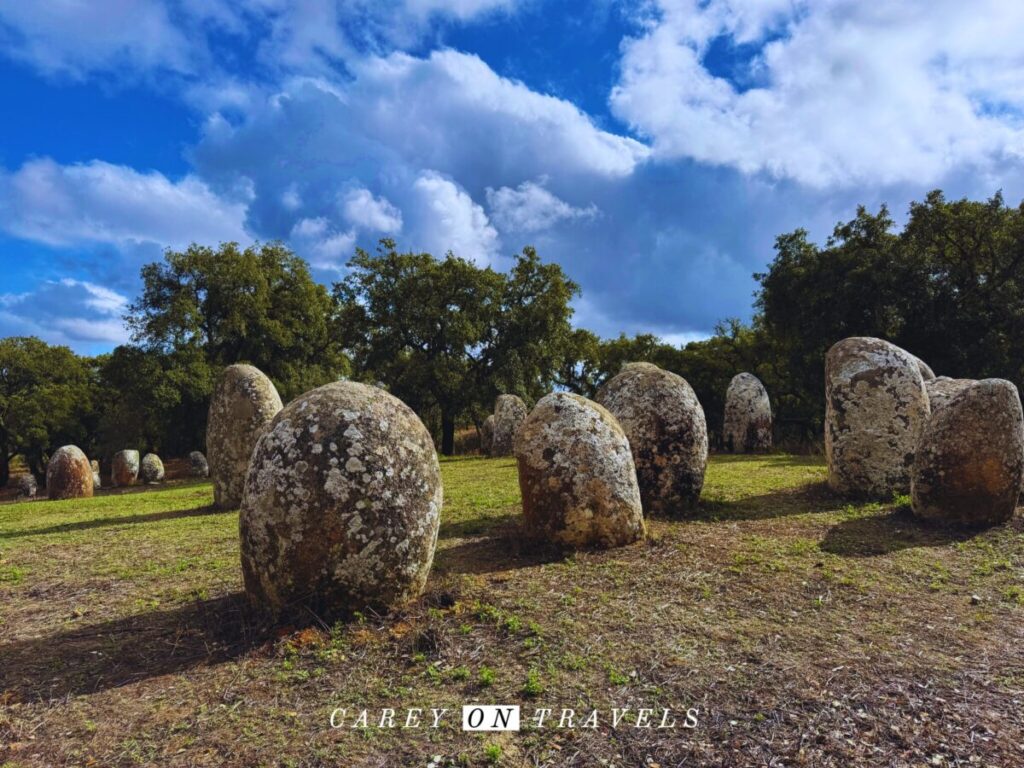
- Cromeleque dos Almendres — one of Iberia’s largest prehistoric stone circles, dating from 6000 BC
- Menir dos Almendres – a 10-15 minute walk from the road leads to this single menir, with farm animals just behind
- Great Dolmen of Zambujeiro (short walk required)
This area feels atmospheric in morning light and is one of Europe’s great prehistoric landscapes. Unlike visiting Stonehenge in England, there are no tickets to access this site, and you can walk freely around the stones.
Afternoon Option 1 (with car): Alcáçovas & the UNESCO Cowbell Tradition
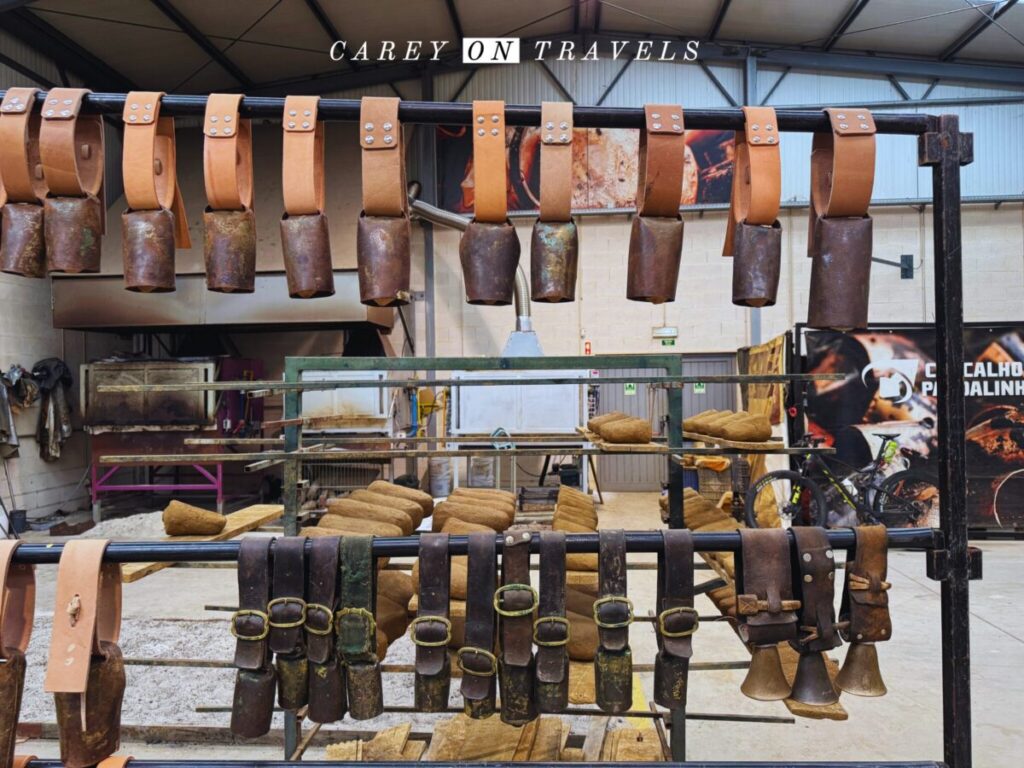
Drive to Alcáçovas to learn about the manufacture of Portuguese cowbells (chocalhos)—recognized by UNESCO as Intangible Cultural Heritage in Need of Urgent Safeguarding. Traditional metalworking techniques have been passed down through generations and helped shape Alentejo’s pastoral culture.
Visit:
- Traditional cowbell workshop (be sure to ask about how they make the cowbells)
- Walk the quiet historic center
- Visit the Igreja de N. Sr.ª da Conceição (ou Capela das Conchas)
Pro Tip: Their smaller cowbells work well as souvenirs (or even for a dog’s collar).
Return to Évora.
Afternoon Option 2 (no car needed): Aqueduct Walk & Wine Tasting
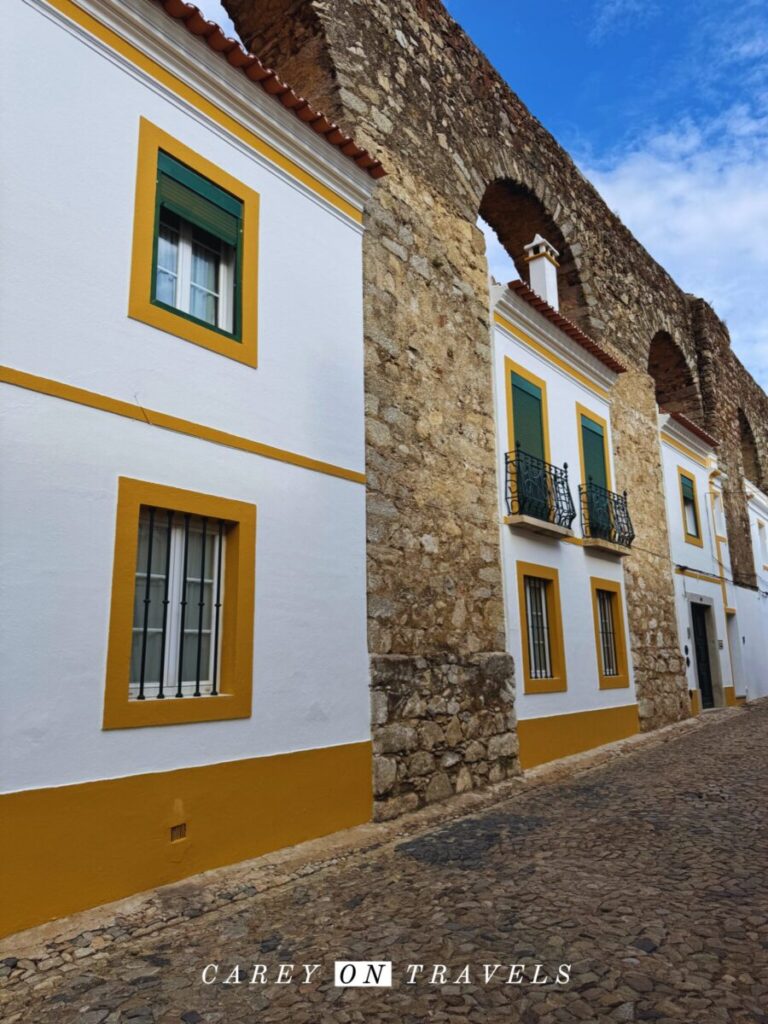
Take a relaxed walk along sections of the Água de Prata Aqueduct. Suggested route:
- Start near the historic center
- Follow portions of the aqueduct into quieter residential areas
- Stop at local cafés along the way
You’ll get a different perspective on Évora beyond the main monuments. We’re always amazed by the construction of buildings right into the aqueduct.
Wine Tasting Without Leaving Town: Consider a guided tasting at a local wine shop or wine bar to learn more about Alentejo wines without needing transportation.
Day 3 — Estremoz + UNESCO Bonecos + White Marble Streets
Morning: Estremoz
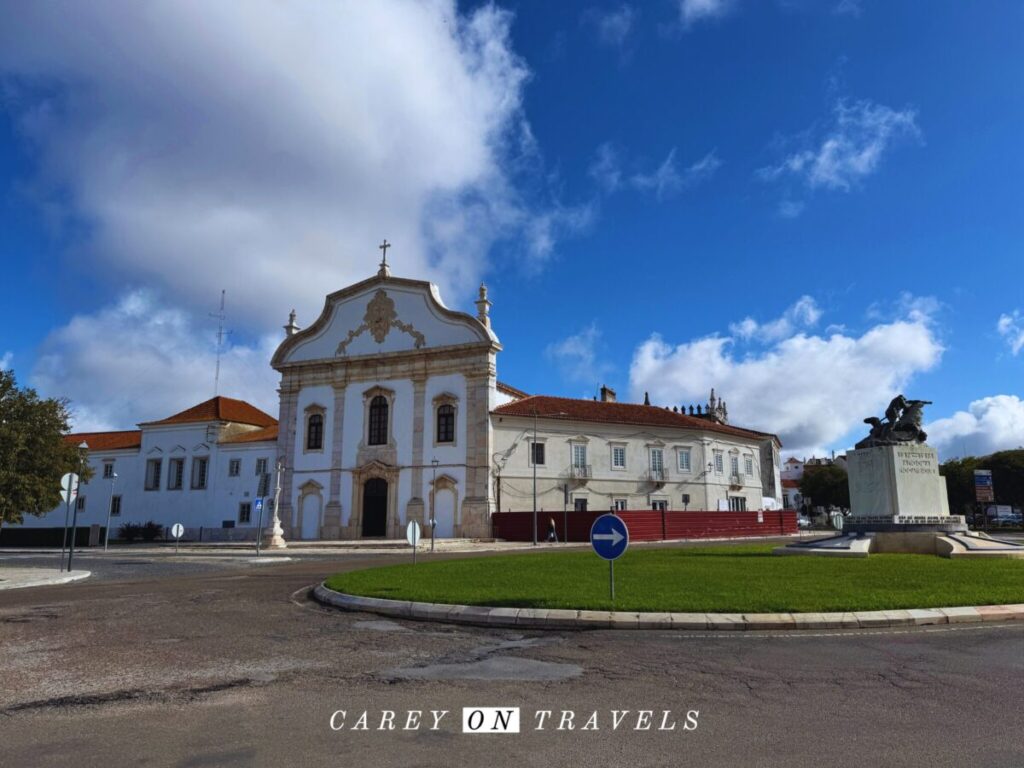
Estremoz is known for marble architecture, hilltop views, and one of Portugal’s most distinctive craft traditions.
Start in the town center and wander up the hill towards the castle. Explore:
- Igreja de São Francisco
- 17th century city doors (Porta de Santo António, Porta de Santa Catarina, Porta dos Currais, and Porta de Évora)
- The art nouveau Café Águias D’Ouro (enjoy a coffee there if it’s open)
- Museu Berardo Estremoz, with its extensive Azulejo tiles
- Estremoz Castle (now Pousada Castelo Estremoz). Be sure to climb the Torre das Couraças, which has incredible views
- Medieval upper town
- Marble streets and viewpoints
- Local market (if timing works)
Midday: Bonecos de Estremoz
The Bonecos de Estremoz (Estremoz clay figures) became UNESCO Intangible Cultural Heritage in 2017. These colorful hand-shaped clay figures date back centuries and traditionally depict daily Alentejo life, religious scenes, and local customs.
Suggested:
- Visit the Centro Interpretativo do Boneco de Estremoz (just up the hill from the main square in town)
- See artisan demonstrations if available
- Look for traditional pieces rather than souvenirs

Lunch
Enjoy a long Alentejo lunch. A few of our suggestions:
- Lunch at the Pousada in the Castle
- Casa de Gadanha Estremoz (a short walk from the main square in town)

Late Afternoon Options (choose one)
Wine Tasting in Estremoz. Visit one of the many vineyards in and around Estremoz for a wine tasting. Many, such as Howard’s Folly, offer restaurants where you can enjoy dinner afterwards.
Stop at Evoramonte for views and a short castle walk. It’s a quick car or bus ride to visit this unique town.
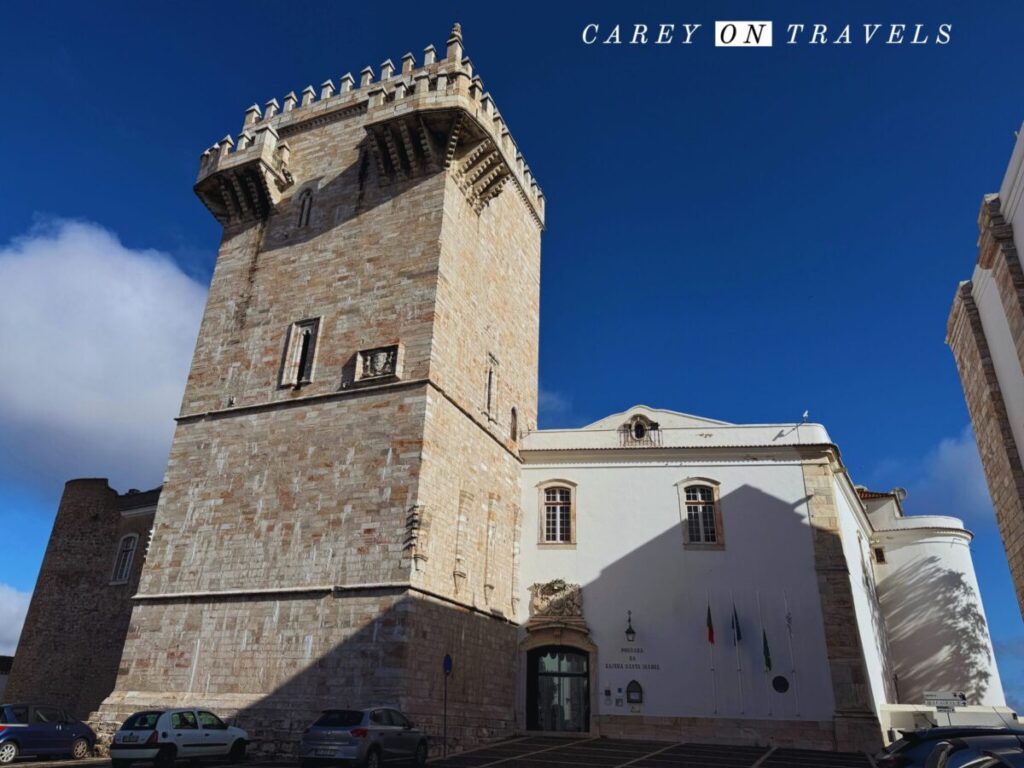
Day 4 — Redondo Pottery + Cork Landscapes + Monsaraz
This day combines three of Alentejo’s most iconic traditions: pottery, cork, and hilltop villages.
Redondo is easily reachable by bus from Évora. For those who would like to continue on to Monsaraz, it’s easiest to do this with a car or tour, given the bus connections. We’ve provided 2 afternoon options, one with and one without a car.
Morning — Redondo Pottery Traditions
Redondo is one of Alentejo’s best places to explore traditional ceramics. The town is known for hand-painted pottery featuring local motifs and techniques passed through generations.
Spend the morning wandering the historic center and visiting a workshop.
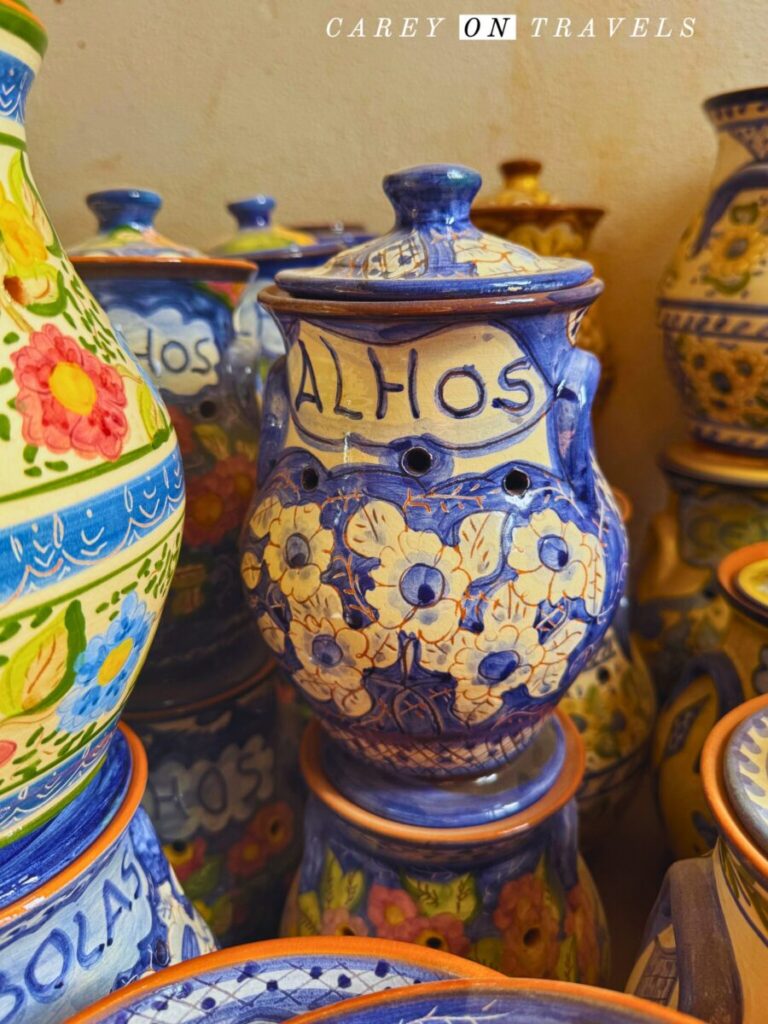
Suggested stops:
- Olaria Pirraça
- Barru Pottery
- Olaria Xico Tarefa
If available, consider joining a short demonstration or chatting with artisans about traditional firing and painting methods.
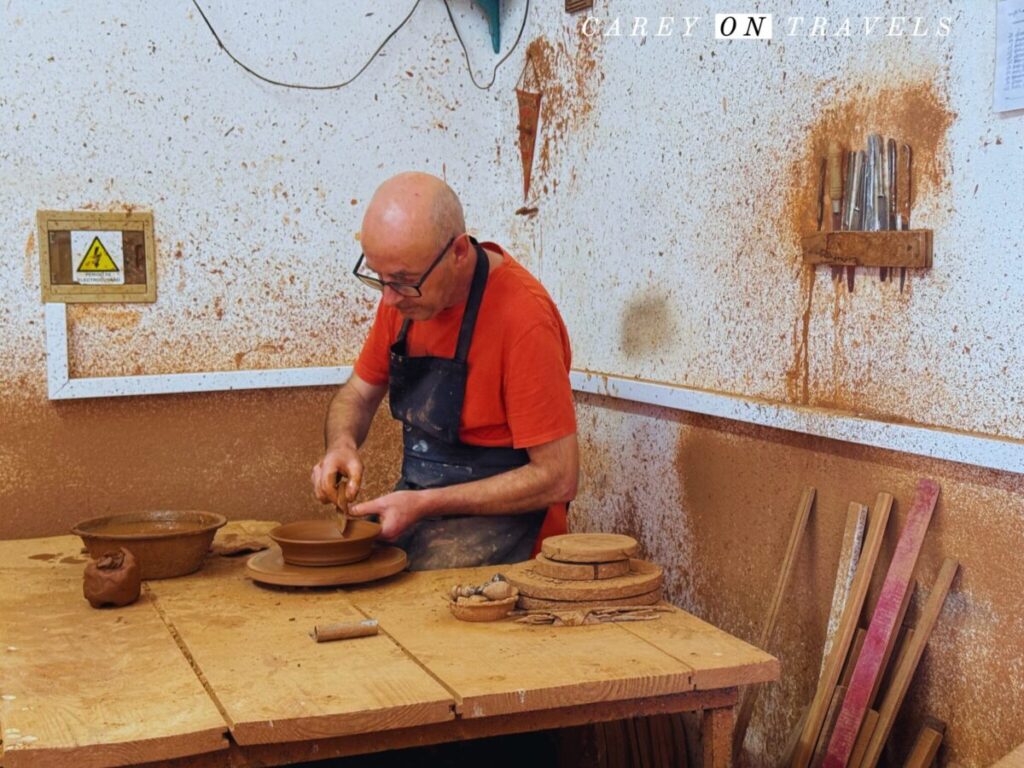
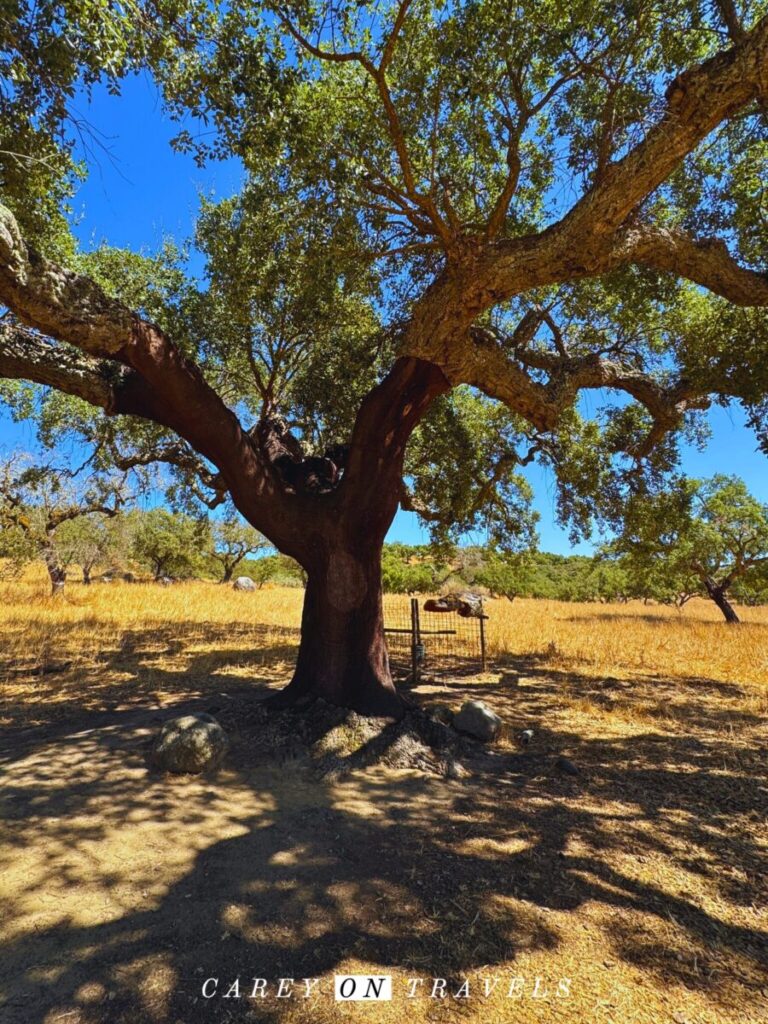
Late Morning + Lunch — Cork Tour in Serra d’Ossa
For visitors wanting a deeper experience of Alentejo’s landscape and rural traditions, consider adding a 2 hour cork farm experience leaving from Redondo. This experience takes visitors into cork oak forests near Redondo by foot or 4×4 to learn how cork is harvested, how montado ecosystems function, and how cork production connects to wine, livestock, and local culture. Experiences range from shorter forest walks to jeep safaris, with some options including lunch or wine tasting.
If adding the cork tour:
- Start Redondo early
- Reserve in advance
- Consider shortening your pottery stops to keep the day relaxed
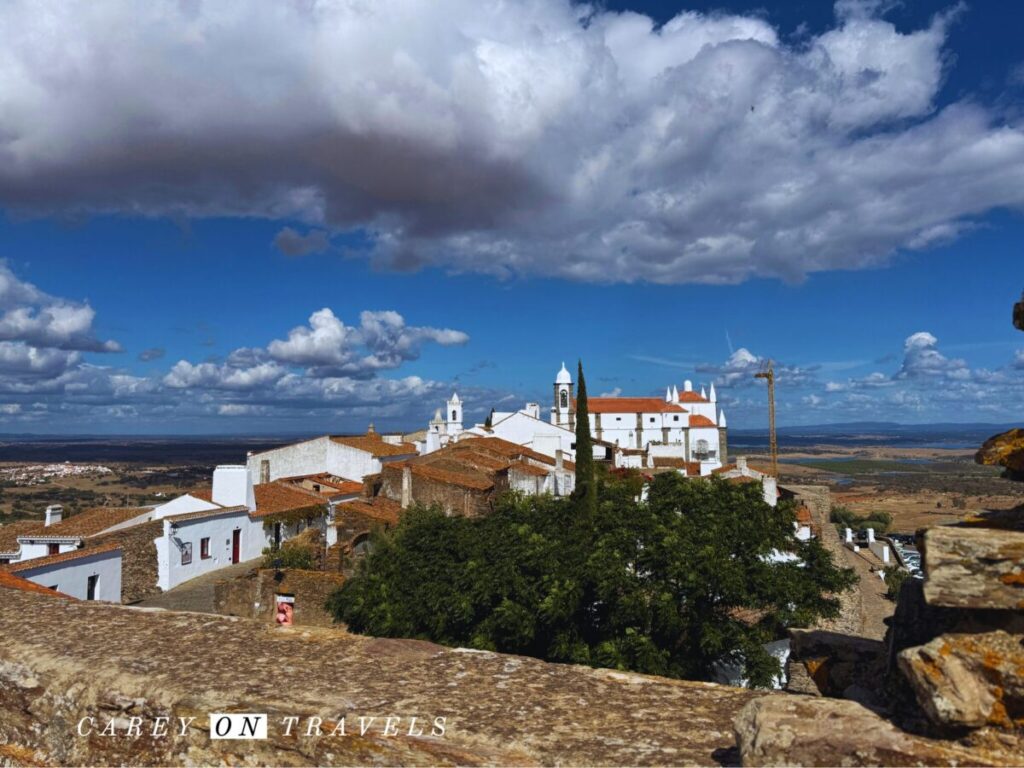
Afternoon (with car) — São Pedro do Corval + Monsaraz
Before reaching Monsaraz, stop in São Pedro do Corval, Portugal’s largest pottery-producing village, where studios line the streets.
Continue to Monsaraz for a slow afternoon:
- Walk the castle walls
- Browse artisan shops
- Enjoy panoramic views over Alqueva Lake
- Stay for sunset if possible
Pro Tip: The Taverna Os Templários has a deck with beautiful views over the Alqueva Lake.
Return to Évora.
Afternoon (no car required) – Wine Tour and Tasting
Visiting the Adega de Redondo is another fun way to spend your afternoon without requiring a car or transfer to Monsaraz. Enjoy wine tasting and cave tours at one of the largest and most historic wineries in the region.
Day 5 — Elvas: Fortifications, Aqueduct & Border History
Morning: Elvas
Elvas, a border town with Spain, became a UNESCO World Heritage Site for its extraordinary military fortifications and preserved border defenses. Take a 1 hour 15 minute bus ride from Évora to Elvas. If you prefer to drive, there is parking in the historic center (underground garage) or near the aqueduct.
Things to see while in town:
- Historic center
- Elvas Castle
- Praça da República
- Military Museum of Elvas
- Museum of Archaeology and Ethnography
- Old Jewish quarter and synagogue
- Churches and old streets
Alternatively, take a walking tour to learn the most of this UNESCO heritage town.

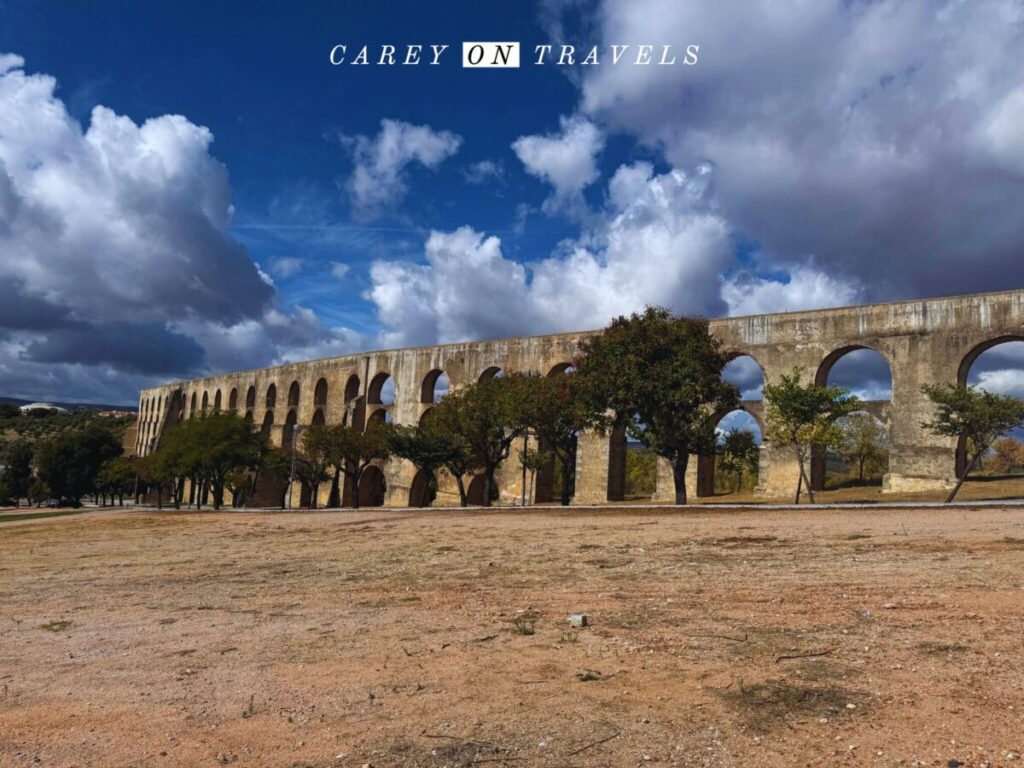
Midday: Lunch and a Visit to the Amoreira Aqueduct
Enjoy lunch before leaving the historic center. Wander the narrow streets and enjoy one of the many local restaurants (ARTE E ALMA by Tânia is a wonderful choice).
After lunch, walk part of this 16th century aqueduct, admiring the sheer scale of the engineering.
Afternoon: Fort of Nossa Senhora da Graça
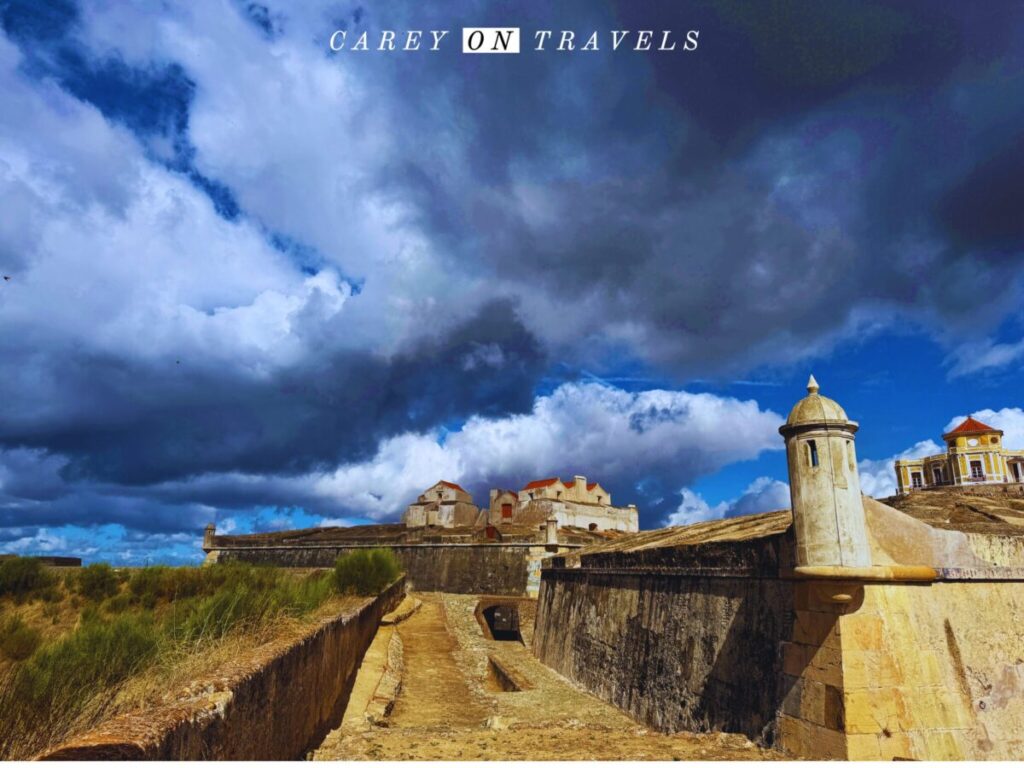
This star fort is one of Portugal’s most impressive military sites. It is just under an hour walk from the historic center. If you are visiting without a car (and prefer not to walk), we’d suggest to arrange a taxi from town.
Take your time here—the views across the plains toward Spain are excellent.
Optional Slow Travel Add-On
If you’re not ready to head back:
- Stop in Arraiolos on the return for carpets and coffee.
Return to Évora.
Day 6 — Vila Viçosa + Borba + Marble Route (Optional)
This is an excellent extra day for travelers who prefer elegant towns, artisan traditions, and scenic drives over intensive sightseeing. It is an easy 45 minute bus ride to Vila Viçosa, From there, take another bus for 5 minutes to reach Borba.
Morning — Vila Viçosa: Portugal’s Marble Town
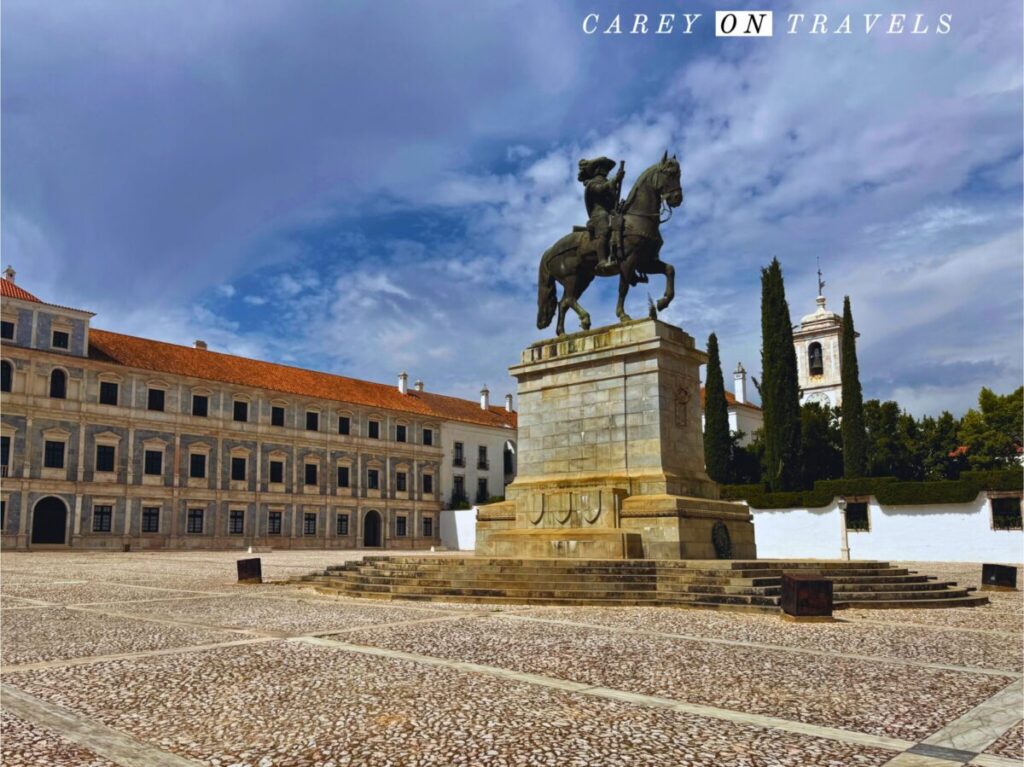
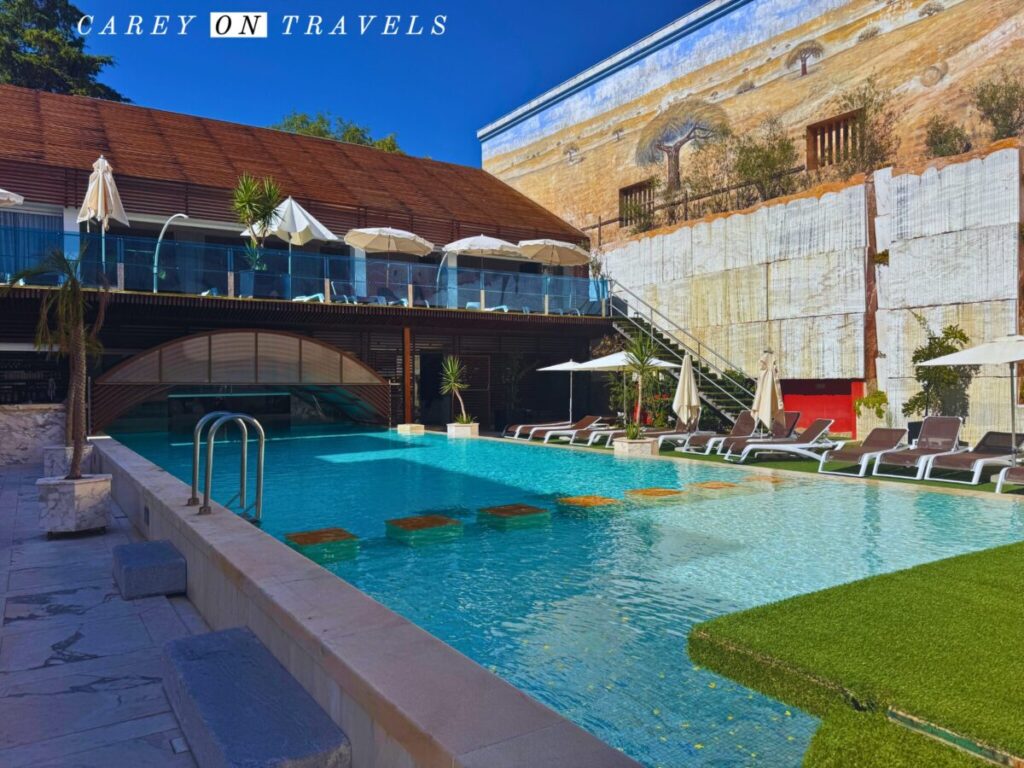
Vila Viçosa feels refined and quieter than many better-known Portuguese heritage destinations. Marble appears everywhere—from façades to sidewalks—and the town served as a residence of Portuguese royalty. We were based at the Alentejo Marmoris Hotel & Spa in Vila Viçosa for 5 nights during our Trek Travels bike tour of the region. We found plenty to explore in town in our down time.
Start with:
- Paço Ducal (Ducal Palace)
- Historic center
- Marble-lined Praça da República
- Castle quarter
Take time to wander rather than rushing between sites.
Late Morning — Marble Tour Experience
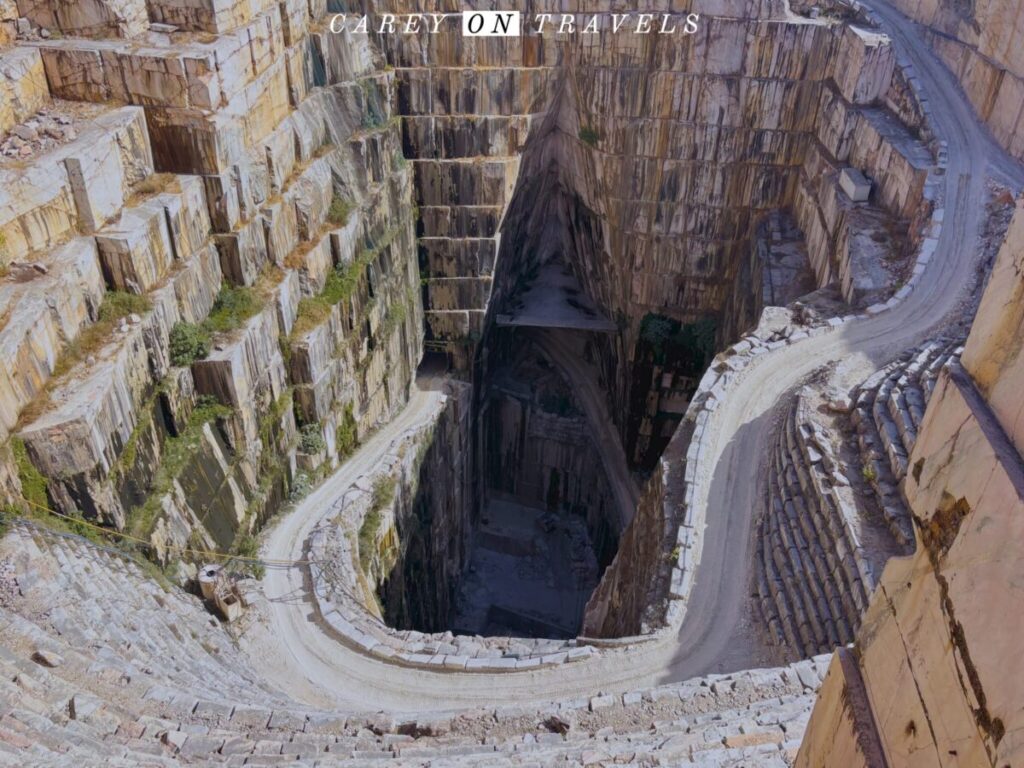
One of the most memorable experiences here is seeing how marble shaped the region.
Look for a guided marble route or quarry visit that explains:
- How marble is extracted
- Why this region became Portugal’s marble center
- Environmental restoration efforts
- How marble influenced architecture in Vila Viçosa, Borba, and Estremoz
Most tours include quarry viewpoints and access that independent visitors cannot easily reach.
Lunch — Vila Viçosa
Enjoy a relaxed lunch on the Praça da República before continuing on to Borba.
Afternoon — Borba
Borba offers a quieter, more local atmosphere than nearby Estremoz and pairs well with Vila Viçosa.
Explore:
- Whitewashed historic center
- Marble architecture
- Wine-producing countryside
- Small local shops and cafés
If interested in wine, this is also an easy place to add a tasting without making the day feel busy.
Return to Évora for a final dinner
Where to Stay in Évora
Évora offers a range of accommodations that blend historical charm with modern comforts, making it easy to find the perfect place to relax after a day of exploring. Be sure to check out our full set of recommendations on Where to Stay in Évora.
| Luxury: M’AR De AR Aqueduto | Within Évora’s historic walls, this luxurious hotel is built around a 16th-century chapel and part of the city’s ancient aqueduct. The hotel features spacious rooms, a gourmet restaurant, and a spa, in the heart of Évora. |
| Luxury: Convento do Espinheiro | Located just outside Évora, this luxurious historical hotel in a 15th century convent offers a tranquil retreat with lush gardens, an exquisite pool, and a divine spa. Its restaurant serves sumptuous dishes inspired by Alentejo cuisine. |
| Moderate: Vila Galé Évora | Just outside the historic city center, this hotel offers modernity and convenience, perfect for families or business travelers, with a large indoor pool and spa. |
| Moderate: Évora Olive Hotel | This modern hotel with olive-themed decor provides a comfortable and contemporary stay in the city center. It offers well-appointed rooms, excellent amenities including an outdoor terrace, and a location close to the attractions. |
| Budget-Moderate: Zoetic Sustainable Rooms | This boutique guesthouse offers a sustainable stay without sacrificing comfort. Located within the city walls, it features beautifully designed rooms using natural and recycled materials, and operates with a strong commitment to sustainability. Guests have access to a common lounge, kitchen, and terrace. |
How to Get to Évora
Getting to Évora is straightforward, whether you’re coming from within Portugal or from abroad. The city is well-connected by road and rail, making it accessible from major Portuguese cities.
| Driving from Lisbon | If you’re traveling from Lisbon, Évora is just a 1.5-hour drive on the A2 and A6 motorways. |
| Public Transport from Lisbon | Regular trains and buses run from Lisbon’s Oriente Station to Évora, with the journey taking approximately 1.5 to 2 hours |
For those renting a car, be sure to read up on tips and tricks for renting a car in Portugal before booking your rental. We use and recommend Discovercars for our rental cars.
Évora Slow Travel Itinerary Final Thoughts
Évora makes an ideal base for discovering the many layers of Alentejo without constantly packing and moving. Over five days, you can explore Roman ruins and prehistoric stone circles, wander medieval villages, meet artisans preserving centuries-old traditions, and spend long afternoons enjoying the landscapes that make this region so special. Whether you choose to add marble quarries in Vila Viçosa, pottery and cork experiences near Redondo, or simply linger over one more slow lunch in Évora, this itinerary is designed to leave space for the unexpected moments that often become the highlights of a trip.
Planning a bigger Portugal trip?
Explore our Portugal Travel Guide for regional inspiration, itineraries, insider tips, and ideas on where to go across Lisbon, Porto, Central Portugal, the Alentejo, Algarve, and beyond.
If you enjoyed this post, pin it for later!
Travel Resources
We recommend booking through our preferred travel booking sites below.
| Air Travel | SkyScanner |
| Lodging | Booking.com, VRBO.com, Expedia.com, Hostelworld |
| Tours and Activities | Viator.com, GetYourGuide.com, TakeWalks.com, Tinggly.com |
| Car rentals | Discovercars.com |
| Travel insurance | Squaremouth |
| Bike and scooter rentals | BikeBookings.com |
| Train tickets | RailEurope |
| Bus tickets | Busbud |



Staying in Évora for the whole week is a smart move. Moving hotels every other day in Portugal is a total headache.
Thank you for this slow travel itinerary! I do not know the region at all and your guide makes me want to discover these sights and taste the food! I was in particularly impressed by Amoreira Aqueduct.
The Amoreira Aqueduct is very impressive, especially given how early it was constructed.
I love your focus on slow travel! Does not matter where we go, I think that’s the only way to properly discover a place. And Evor looks like a very nice city to be discovered.
Thank you, slow travel is our preferred way to go.
I love how you can do winetasting without even leaving town. My kind of destination lol.
Agreed, it certainly makes it easier!
Thank you for your post Sonia! I did not know anything about Evora and it was great to discover the place through your post. The Roman Temple surrounded by all these other buildings from different eras, is fascinating and pottery amazing!
Thank you for the feedback! Many people take day trips to Évora. This does give you time to visit the historic old town, with the university, cathedral, temple, and more. I do recommend trying to spend longer if you can.
Evora is one of the towns I REALLY wish I’d been able to fit in on my Portugal trip. It’s so historic and quaint! I’ll make sure to get there if I make it back to Portugal
Hope you have a chance for a return visit to Portugal.
Your article reminded me of my enjoyable visit to Evora a while back. I only had a brief stay and didn’t cover all the stops in your extensive itinerary. I appreciate the thorough information and helpful suggestions provided.
Thank you for the feedback!
What a nice itinerary ! Évora has been on my list for ages despite having visited Portugal several times! I always seem to end up on the coast or in Lisbon, but this is the push I needed to finally venture into the Alentejo. Saving this one for my next trip!
Hope you enjoy Évora when you visit!
Sonia, the reader can feel your love for slow travel and your custom images are moving, especially chapel bones in Evoria. Another good one.
Thank you for the feedback!
We enjoyed our stay in Evora for a few days. A great base to explore the area. We had a car but good to know many sights are able to be visited by public transit. So many great food opportunities.
Yes, the food in the Alentejo is amazing!
No immediate plans to visit Portugal but adding Evora to my list. I appreciate the detailed information here. Really love smaller lesser known beautiful places like this.
If you enjoy the sound of Évora, I’d suggest also considering a visit to Coimbra if you make it to Portugal.
Headed to the Azores in the fall…but I really hope to get back to mainland Portugal in the next few years. One of my fav countries. This is great info and I am saving.
Enjoy the Azores!
Love this itinerary. It’s the perfect amount of things per day.
Thanks for the feedback!
I only spent a day in Evora and absolutely loved it! but you make me realise that there’s still so much to see there!
Glad you enjoyed your visit!
What a great idea for a trip! I like the slower pace and the chance to really get to know one area instead of changing hotels every few days. The mix of historic towns, local food, wine, and unique places like the Almendres Megaliths looks fantastic. This itinerary shows there’s so much more to see around Évora than many travelers realize.
There is such a diverse set of activities and sights in and around Évora, I highly recommend a longer stay.
this is DEFINITELY a slow itinerary and i love it ten times more for it! I’m seriously fatigued from lists that turbotourists through everything in days or even hours – what a refreshing change this is!
Thank you for the feedback! Turbotourists are a great way to describe some travel lists I’ve seen recently too.
The picture of that rice dish at the Casa de Gadanha makes my mouth water! I miss Portuguese food!!!
Casa da Gadanha is amazing. I highly recommend it if you’re in the area.
I love slowing it down and visiting some of these not so well known places vs always being in the hustle and bustle of life. The Alentejo hotel pool looks like a perfect space to relax after getting in a bunch of steps exploring the old town.
Hope you can visit!
I like that you can visit attractions on foot and by bus from Evora, from pre-historic site to Romans ruins and wineries. The pre-historic stone circle is unique! I’m a rock person, so I definitely visit it.
The stone circle is incredible to visit– thousands of years older than Stonehenge and so peaceful to wander around.
This is an interesting read and it certainly sounds like a wonderful place to visit for a few days and given my love of history, I’m sure I would love it.
It’s a wonderful region of Portugal for those who enjoy exploring the country’s rich history.
I always thought of Evora as just a day trip from Lisbon. This itinerary really goes deep in and around the area. Had no idea about so many Roman ruins and your lunch suggestions are amazing.
Thanks for the feedback! Many people visit as a day trip, but there’s so much more to explore around Évora.
Thank you for including public transportation information!
Thank you for these wonderful tips!
I bet the marble tour would be amazing. And of course, the ruins.
The marble tour is amazing, and so unique to this area!